
Bitcoin ETF Mistakes to Avoid When Investing
Avoid costly Bitcoin ETF mistakes. Learn how high fees, tracking errors, tax reporting errors, and ownership differences impact your investment returns.
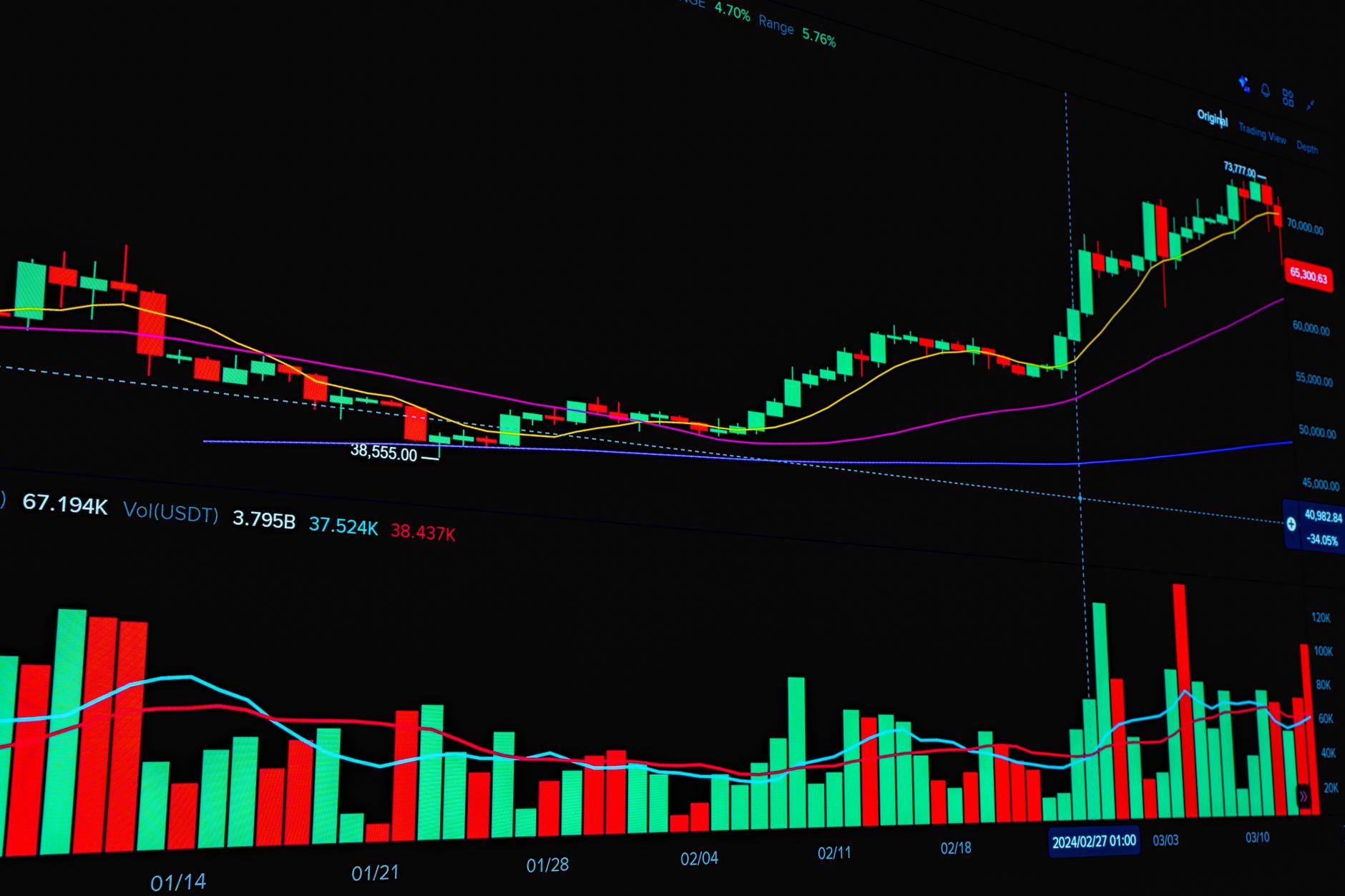
Buying a Bitcoin exchange-traded fund (ETF) allows investors to access digital currency through traditional brokerage accounts. However, treating a crypto fund like an ordinary stock index fund is a common mistake that causes unexpected portfolio losses. Successful Bitcoin ETF investing requires understanding management fees, ownership limits, tracking errors, and the extreme volatility of an asset lacking traditional fundamentals.
Overlooking High Management Fees and Expense Ratios
A primary error when purchasing a Bitcoin ETF is failing to evaluate the fund's expense ratio. Annual management fees across funds vary from 0.2% to 2%, creating a substantial difference in long-term portfolio performance. Choosing a high-fee product directly reduces net returns, particularly during extended market downturns.
For instance, the Grayscale Bitcoin Trust ETF (GBTC) held over $20 billion in assets under management by January 2026 while charging a 1.5% expense ratio. This fee is significantly higher than the average passively managed ETF available on traditional exchanges. Competing spot products, such as the ARK 21Shares Bitcoin ETF (ARKB) and the VanEck Bitcoin Trust (HODL), operate with alternate fee structures that investors must weigh before allocating capital.
Confusing ETF Shares with Direct Bitcoin Ownership
An ETF provides financial exposure to price movements without transferring the underlying digital coins to your possession. An investor owns shares of a regulated trust, not the digital asset itself. Mistaking indirect ETF exposure for physical coin possession limits what you can do with your capital.
Because you do not hold private keys, you cannot transfer coins to a private digital wallet. You are also excluded from participating in decentralized finance (DeFi) protocols or earning network rewards through activities like staking. Investors who require direct custody and operational utility find that fund shares do not meet their requirements.
Underestimating Asset Volatility and Speculative Swings
Although the U.S. Securities and Exchange Commission (SEC) approved spot Bitcoin ETFs in January 2024, regulatory oversight does not stabilize the asset's price. Canada established the first spot Bitcoin ETFs in 2021 through Purpose Investments, yet international adoption has not removed underlying market swings. Bitcoin lacks traditional corporate fundamentals and intrinsic value, remaining a highly speculative instrument driven by market sentiment.
Unverified headlines and social media manipulation regularly trigger drastic market moves. In October 2023, a false media report by Cointelegraph regarding spot ETF approval mistakenly caused Bitcoin to spike to $30,000. In January 2024, an unauthorized compromise of the SEC's official account on X (formerly Twitter) released a false approval post, sending prices surging before an immediate collapse. Entering an ETF position without preparing for these aggressive swings frequently leads to panic selling, which permanently locks in losses.
Ignoring Tracking Errors Between Spot and Futures Funds
Investors frequently fail to verify whether an ETF holds physical Bitcoin or derivatives. Prior to the January 2024 regulatory shift, U.S. Bitcoin ETFs were restricted entirely to futures contracts. Derivatives-based funds depend on rolling contracts, which frequently introduces performance discrepancies relative to the underlying spot price.
Even physically backed spot funds can experience brief tracking errors due to intraday trading patterns and administrative expenses. If a fund trades with irregular or thin volume, liquidity drops and the share price may deviate from the fund's underlying net asset value. Always inspect average trading volume and liquidity before selecting an ETF to ensure prompt order execution at fair prices.
| Investment Dimension | Spot Bitcoin ETFs | Direct Bitcoin Holding |
|---|---|---|
| Ownership Type | Regulated fund shares | Direct asset custody via private keys |
| Annual Costs | 0.2% to 2.0% expense ratios | Network and transaction fees only |
| DeFi & Staking Access | Unavailable | Available depending on technical setup |
| Trading Account | Brokerages, IRAs, 401(k)s | Crypto exchanges and personal wallets |
Assuming Complete Security and Overconcentrating Holdings
A common misconception is that purchasing an ETF removes all security liabilities. While funds remove the personal burden of managing complex private keys, security risks shift to institutional custodians and your personal brokerage account. Fund issuers face operational risks, including unauthorized custody access or administrative account takeovers.
Investors must configure their brokerage credentials with strict settings, including two-factor authentication, to prevent unauthorized trading. Furthermore, allocating an excessive percentage of a portfolio to Bitcoin ETFs creates dangerous concentration risk. Mitigating risk requires diversifying across multiple asset classes and defining clear personal risk limits before entering a trade.
Mishandling Tax Reporting and Account Structures
Selling shares of a Bitcoin ETF triggers taxable events that must be reported to tax authorities. Investors who neglect proper recordkeeping face unexpected tax penalties. The duration you hold fund shares dictates whether your profit is taxed at short-term or long-term capital gains rates.
- Log the purchase price, quantity, and exact execution date for each ETF transaction.
- Record the gross sale proceeds and exact date whenever you liquidate fund shares.
- Distinguish between short-term trades (held one year or less) and long-term positions.
- Consolidate brokerage tax documents at year-end to ensure capital gains and losses balance accurately.
To reduce tax friction, evaluate purchasing fund shares within tax-advantaged vehicles like traditional IRAs, Roth IRAs, or 401(k) accounts. Placing a high-volatility, high-growth asset within a tax-advantaged wrapper allows you to manage capital gains efficiently while maintaining strict adherence to regulatory guidelines.
Frequently Asked Questions
Are Bitcoin ETFs safer than holding Bitcoin directly?
Bitcoin ETFs eliminate personal private key management and trade on regulated exchanges, but they carry issuer custody risks and remain exposed to Bitcoin's extreme volatility.
Can you hold Bitcoin ETFs in retirement accounts?
Yes, Bitcoin ETFs can be held in tax-advantaged accounts such as IRAs or 401(k) plans to help manage capital gains taxes.
What is the main difference between spot and futures Bitcoin ETFs?
Spot Bitcoin ETFs hold direct Bitcoin, whereas futures-based ETFs hold derivative contracts that may lead to tracking errors against the real-time spot price.
Sources
Last updated: 2026-10-18
Photo: Rafael Minguet Delgado / Pexels
Reader Responses (0)
No approved comments yet. Be the first to share your perspective!