
Defining Space Technology: Earth's Invisible Foundation
Space technology encompasses any tech for use in outer space or supporting activities beyond the Kármán line, serving both exploration and terrestrial needs.
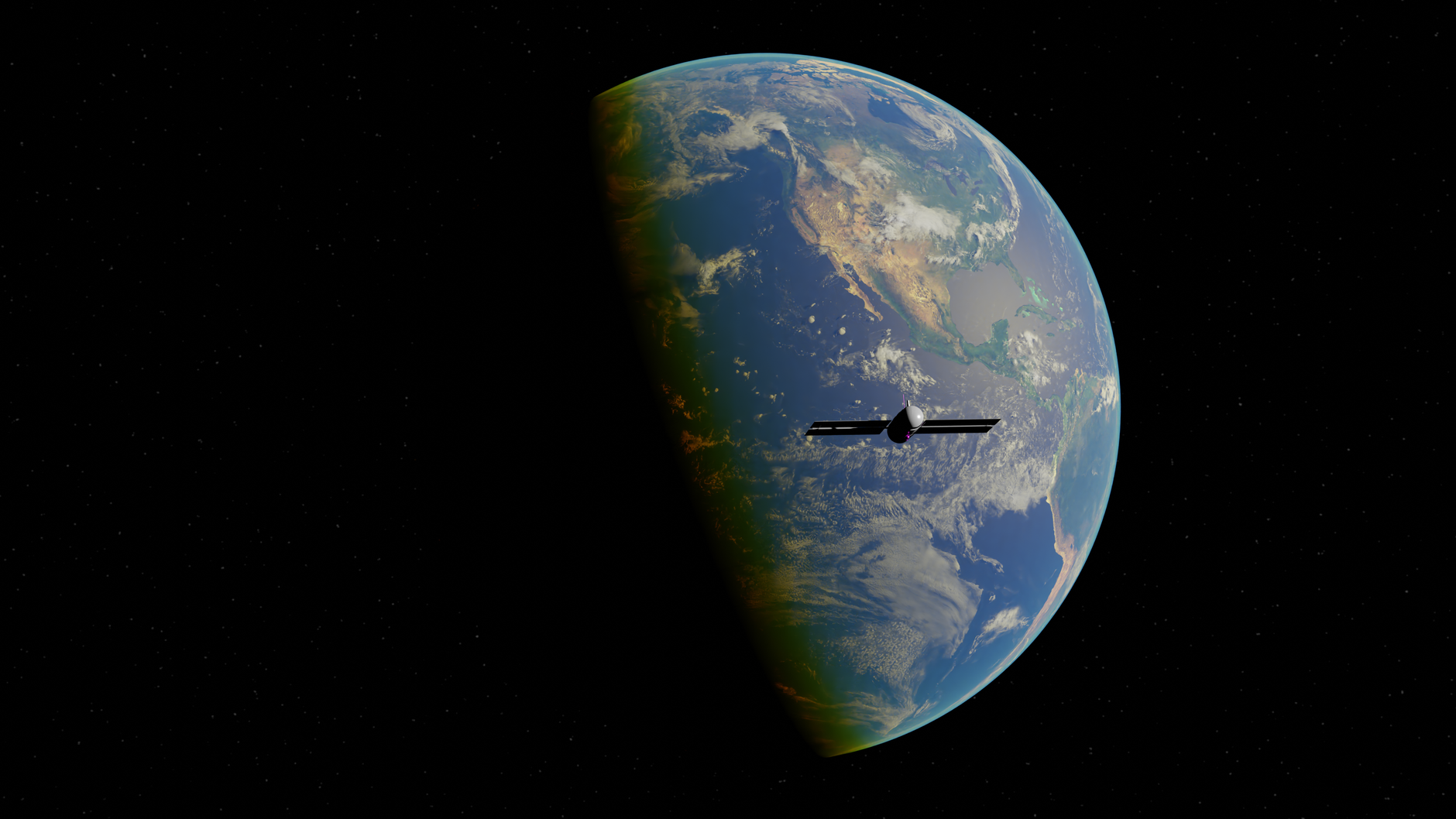
What is Space Technology? A Comprehensive Definition
Space technology refers to any technology developed for use in outer space or specifically designed to support activities beyond the Kármán line. The Kármán line, situated 100 kilometers (62 miles) above Earth's surface, is internationally recognized as the boundary where Earth's atmosphere ends and outer space begins. This broad definition encompasses a wide array of systems and components.
Understanding space technology involves recognizing its dual purpose: facilitating human and robotic exploration of the cosmos, and simultaneously providing critical infrastructure for numerous essential services on Earth. It represents a sophisticated blend of science and engineering principles applied to the unique challenges of the space environment.
The Diverse Components of Space Technology
The field of space technology is incredibly diverse, incorporating a vast range of hardware and software elements. These components work in concert to achieve complex missions, from orbiting Earth to exploring distant planets. Key elements include space vehicles, advanced communication systems, propulsion technologies, robotics, and sophisticated software.
Space technology demands a broad spectrum of expertise, from aerospace engineering and materials science to advanced software development and data analysis. Each component must be meticulously designed to function reliably under the extreme conditions of space, which include vacuum, radiation, and extreme temperature fluctuations.
Space Vehicles: The Hardware of Space Exploration
At the core of space technology are the vehicles that transport payloads and personnel beyond Earth's atmosphere. These include a variety of spacecraft, satellites, space stations, and orbital launch vehicles. Each serves a distinct purpose, contributing to the overall capabilities of space operations.
Spacecraft are designed for specific missions, ranging from scientific observation to carrying crew. Satellites, which can be crewed or uncrewed, are essential for telecommunications, navigation, Earth observation, and scientific research. They vary significantly in size, from massive structures like the International Space Station (ISS), weighing 420 tons, to compact smallsats weighing less than 10 kilograms.
The emergence of smallsats has significantly increased accessibility to space for a wider range of organizations due to their lower cost and easier construction. Space stations serve as long-term orbital habitats and research laboratories, enabling sustained human presence in space. Orbital launch vehicles, such as those developed by prominent companies like SpaceX and Blue Origin, are responsible for transporting these payloads into orbit.
Essential Support Systems
Beyond the vehicles themselves, robust support systems are crucial for any space mission. Deep-space communication networks enable the transmission of data and commands across vast cosmic distances, connecting Earth-based control centers with spacecraft operating far from home. These systems must overcome challenges like signal degradation and transmission delays.
In-space propulsion technologies are vital for maneuvering spacecraft once they are in orbit or on interplanetary trajectories. These systems range from traditional chemical rockets to more advanced electric or ion propulsion methods, each suited for different mission profiles and efficiency requirements. Robotics also plays a significant role, from automated assembly in space to operating scientific instruments on planetary surfaces.
The Critical Role of Software in Space Technology
Software is an indispensable element of modern space technology, orchestrating every aspect from design to operation. It is broadly categorized into upstream and downstream segments, each addressing different phases of a space mission. The development of this software demands specialized skills in computer science and engineering.
Upstream software focuses on the foundational phases of spacecraft and satellite development. This includes sophisticated tools for simulation, modeling, and testing, which are crucial for predicting how hardware will perform in the harsh space environment. It also encompasses software for control systems design and overall project management during the manufacturing and pre-launch stages.
Downstream software manages the operational life of spacecraft and satellites once they are in orbit. This segment includes programs for real-time control and command, ensuring that space assets perform their intended functions. It also involves extensive data processing, analysis, and exploitation tools that transform raw telemetry and sensor readings into actionable information for various terrestrial and scientific applications.
Beyond Orbit: Terrestrial Applications and Global Impact
While often associated with space exploration, space technology is a fundamental, and often "invisible," underpinning for many essential everyday services on Earth. Its impact extends far beyond scientific discovery, profoundly influencing global economies and daily life. Many common activities rely directly on space infrastructure.
Satellite navigation systems, such as GPS, are integral to modern transportation, logistics, and personal mobility. Weather forecasting relies heavily on data collected by Earth-observing satellites, enabling accurate predictions that protect lives and property. Remote sensing satellites monitor environmental changes, track natural disasters, and aid in resource management.
Furthermore, satellite television and long-distance communications depend on geostationary and low-Earth orbit satellites to connect people and businesses across continents. These applications demonstrate that space technology is not solely about venturing beyond Earth, but also about enhancing and enabling life on it. A common oversight is to narrowly define space tech as only rockets and astronauts, neglecting these extensive terrestrial support systems and software that are integral to its function.
Engineering for the Harsh Environment of Space
One of the most significant challenges in space technology is designing systems that can withstand the extreme conditions of outer space. Unlike terrestrial environments, space presents a vacuum, intense radiation from the sun and cosmic rays, and drastic temperature swings from extreme cold to intense heat. Technology used in space must be specifically engineered to endure these challenges.
This necessitates the use of specialized materials, redundant systems, and robust shielding to protect sensitive electronics. Engineers must account for factors like outgassing, thermal cycling, and atomic oxygen degradation. The rigorous testing and qualification processes ensure that components can operate reliably for years, sometimes decades, without human intervention.
The SpaceTech Economy and the "Orbital Age"
The commercialization of space is rapidly transforming the global economy, ushering in what is described as the "orbital age" or the next industrial revolution. This burgeoning sector is experiencing unprecedented growth, driven by innovation and increasing private investment. The global SpaceTech economy is projected to reach an impressive $10 trillion by 2030.
This growth is fueled by advancements in launch capabilities, the proliferation of smallsats, and the increasing demand for space-derived data and services. Smallsats, being more cost-effective and easier to build than traditional large satellites, have democratized access to space, allowing more entities to participate in the space economy. This commercial expansion is creating new markets and fostering technological breakthroughs that benefit both space exploration and terrestrial industries.
Addressing Challenges: Space Debris Management
As the number of satellites and space missions increases, so does the issue of space debris. The proliferation of orbiting objects, including defunct satellites, spent rocket stages, and fragments from collisions, poses a significant threat to active spacecraft and future missions. This necessitates the development of innovative technologies for atmospheric cleanup and space debris management.
Mitigating space debris involves strategies such as designing satellites to deorbit safely at the end of their operational life, tracking existing debris, and exploring active removal technologies. Addressing this challenge is crucial for ensuring the long-term sustainability and safety of space activities for all nations and commercial entities.
Conclusion
Space technology is a multifaceted and rapidly evolving field that defines humanity's reach beyond Earth while simultaneously enriching life on our planet. From the sophisticated engineering of rockets and satellites to the intricate software that governs their operations, it represents the pinnacle of human ingenuity. Its impact is felt not only in scientific discovery and exploration but also in the daily functions of modern society.
As the "orbital age" progresses, space technology will continue to drive economic growth, foster innovation, and present new challenges, particularly in managing orbital environments. Its ongoing advancement promises further integration of space capabilities into terrestrial applications, solidifying its role as a critical foundation for the future.
Frequently Asked Questions
How will the projected $10 trillion SpaceTech economy in the coming decade specifically influence global economies and daily life?
The projected $10 trillion SpaceTech economy by 2030 is anticipated to fuel job creation across diverse sectors, drive innovation in areas like materials science and artificial intelligence, and integrate space-derived services more deeply into daily life, from enhanced communication to advanced environmental monitoring. This economic expansion is expected to foster new industries and significantly impact global GDP.
What are the most effective strategies and solutions for mitigating and managing space debris as the number of orbiting objects continues to grow?
Effective strategies for mitigating space debris include designing spacecraft for deorbiting at the end of their operational life, actively removing large defunct satellites, and developing technologies for atmospheric cleanup. International cooperation and adherence to guidelines for sustainable space practices are also critical to address the increasing challenge of orbital debris.
In what ways will ongoing advancements in space technology further integrate space exploration with terrestrial applications?
Ongoing advancements will further integrate space exploration with terrestrial applications by driving innovations in remote sensing for agriculture and climate change, enhancing global connectivity through advanced satellite networks, and developing new materials and medical technologies initially designed for space. Data gathered from space will increasingly inform decisions and services on Earth.
Which new skills and areas of expertise will become most critical as the space tech sector expands and evolves?
As the space tech sector expands, critical new skills and areas of expertise will include advanced aerospace engineering, specialized software development (especially for AI and data analytics), cybersecurity for space systems, robotics, and expertise in sustainable space operations and debris management. Data scientists and systems engineers will also be in high demand.
Sources
Last updated: 2026-10-31
Photo: Zelch Csaba / Pexels
Reader Responses (0)
No approved comments yet. Be the first to share your perspective!