
Global Inflation Explained: Key Drivers, Measurement, and Trends
Understand global inflation mechanisms, historical drivers over recent decades, demand-pull versus cost-push forces, and how price indexes measure purchasing…
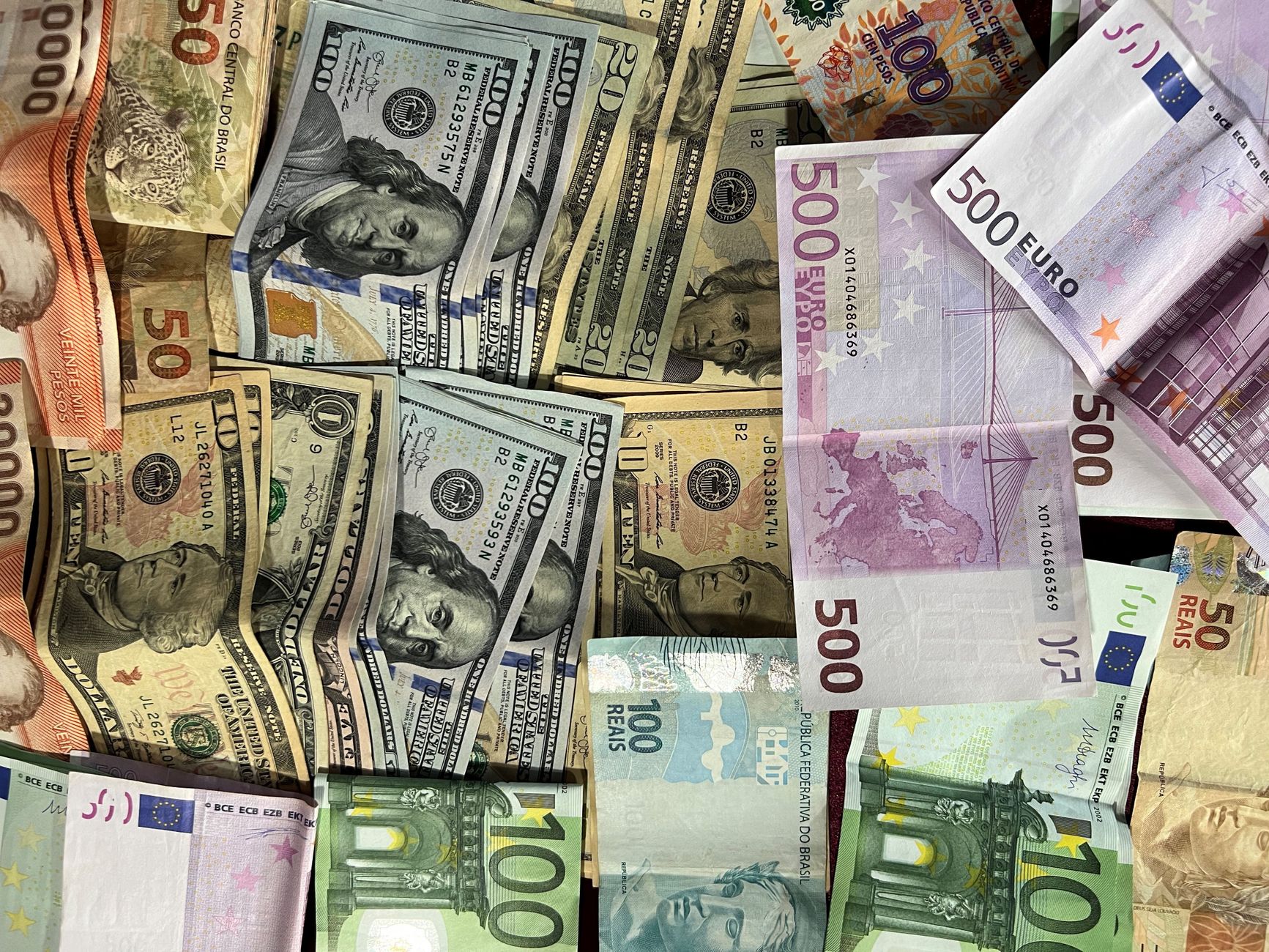
Global inflation represents a widespread increase in the price of goods and services across multiple economies, reflecting a broad decline in the purchasing power of money. Between mid-2020 and mid-2022, global price growth experienced a rapid surge, reaching its highest level since the mid-1990s by July 2022 before starting to subside.
How Global Inflation Is Measured
Economists quantify inflation as the annualized percentage change in a general price index over a specified timeframe. This metric calculates how rapidly money loses its real purchasing power across an economy.
The most widely referenced metric is the Consumer Price Index (CPI), which tracks the average cost of a fixed basket of goods and services purchased by households. While CPI provides an accurate snapshot of the day-to-day cost of living, it is vulnerable to sharp, temporary fluctuations driven by global commodity markets.
To identify the true trajectory of price pressures, analysts rely on core inflation measures, including core CPI and the core Personal Consumption Expenditures (PCE) index. These measures deliberately exclude volatile food and energy prices, offering a clearer picture of underlying structural inflation.
Historical Drivers of Global Price Variations
Data spanning from 1970 to 2022 shows that global inflation fluctuations are heavily concentrated in two specific economic catalysts. Oil price shocks contributed over 38 percent of the variation in global inflation during these five decades, making energy markets the dominant transmission channel for international price movements.
The second largest factor was global demand shocks, which accounted for approximately 28 percent of global inflation variation. In contrast, global supply disruptions outside of energy and interest rate shocks contributed considerably smaller shares to historical inflation variance.
These two primary forces have shaped every major economic downturn over the last half-century. Oil price shocks and global demand shocks were the central drivers of global inflation swings around each global recession since 1970:
- The 1975 global recession
- The 1982 global downturn
- The 1991 economic contraction
- The 2009 Great Recession
- The 2020 pandemic recession
Over the decades, the structural dynamics of global inflation have shifted. The relative influence of global demand shocks and oil price shocks has expanded over time, while the direct impact of broader global supply shocks has gradually receded.
Mechanisms: Demand-Pull vs. Cost-Push Inflation
Price movements globally emerge through two foundational economic mechanisms: demand-side expansion and supply-side contraction. Understanding the difference clarifies why prices rise across borders simultaneously.
Demand-Pull Inflation
Demand-pull inflation occurs when aggregate demand for goods and services outpaces an economy's productive capacity. When buyers compete for a limited volume of output, sellers adjust their prices upward.
Multiple macroeconomic conditions trigger demand-pull pressures:
- Lower interest rates: Reduced borrowing costs encourage business investment and consumer credit spending.
- Stock market rallies: Rapid asset appreciation generates a wealth effect that stimulates higher consumer expenditure.
- Increased government spending: Large fiscal outlays inject purchasing power directly into private and public markets.
Cost-Push Inflation
Cost-Push inflation develops when disruptions to supply chains or spikes in input prices decrease total production capacity. Even if demand remains completely flat, businesses must raise their final sale prices to offset mounting expenses.
Supply disruptions stem from physical and market events, such as natural disasters that destroy production facilities or sudden surges in global oil prices that raise transportation and manufacturing costs worldwide.
The Direct Impact of Monetary Policy
While temporary supply disruptions or demand spikes cause short-term price variations, persistent and long-lasting inflation episodes are primarily tied to lax monetary policy. Central banks influence liquidity by altering policy interest rates and controlling the overall expansion of the money supply.
When the growth of the money supply consistently outpaces the real productive growth of an economy, the purchasing value of the circulating currency falls. An overabundance of money chasing a slower-growing pool of goods forces sellers across all sectors to mark up nominal prices.
Common Analytical Errors in Evaluating Inflation
Misinterpreting price data leads to poor financial decisions and flawed economic analysis. Readers evaluating inflation trends frequently make three critical mistakes.
The first error is relying entirely on headline inflation instead of core metrics. Because energy and food markets regularly experience temporary price spikes, headline inflation figures can signal false structural alarms, while core inflation provides a stable reflection of baseline pressures.
The second mistake is assuming inflation stems from a single isolated cause. In reality, global price movements reflect an intricate interplay between energy shocks, shifting aggregate demand, baseline monetary conditions, and unexpected trade bottlenecks.
The third misconception involves viewing money supply expansion in isolation. An increase in the raw supply of currency does not automatically trigger inflation; inflation occurs when the money supply expands relative to the actual size and output of the economy.
Ongoing Economic Questions
As international economies adapt following the price swings between 2020 and 2022, several unresolved factors remain under close analysis by global institutions:
- The ongoing challenge central banks face in calibrating monetary policy to control persistent inflation without inducing a recession.
- The structural impact that recent supply chain realignments will exert on production costs and long-term price stability.
- Whether the dominance of oil price shocks and global demand shocks will continue to overshadow broader supply factors in future economic cycles.
- The extent to which public inflation expectations directly drive actual pricing decisions and wage growth across major economies.
Frequently Asked Questions
What was the main cause of the recent post-pandemic global inflation surge?
The surge was driven primarily by a combination of global demand shocks and oil price shocks, which led prices to their highest levels since the mid-1990s before subsiding.
How much do oil price shocks contribute to global inflation?
Between 1970 and 2022, oil price shocks accounted for over 38 percent of the variation in global inflation, making them the single largest driver over the past five decades.
What is the difference between headline inflation and core inflation?
Headline inflation measures price changes across all consumer goods, while core inflation removes volatile food and energy components to identify underlying, long-term price trends.
Sources
Last updated: 2026-11-01
Photo: Valmir Zanellato / Pexels
Reader Responses (0)
No approved comments yet. Be the first to share your perspective!