
Preventive Healthcare Meaning in Kannada: A Guide
Understand preventive healthcare in Kannada, including its definition, three levels of care, practical applications, and historical context for overall…
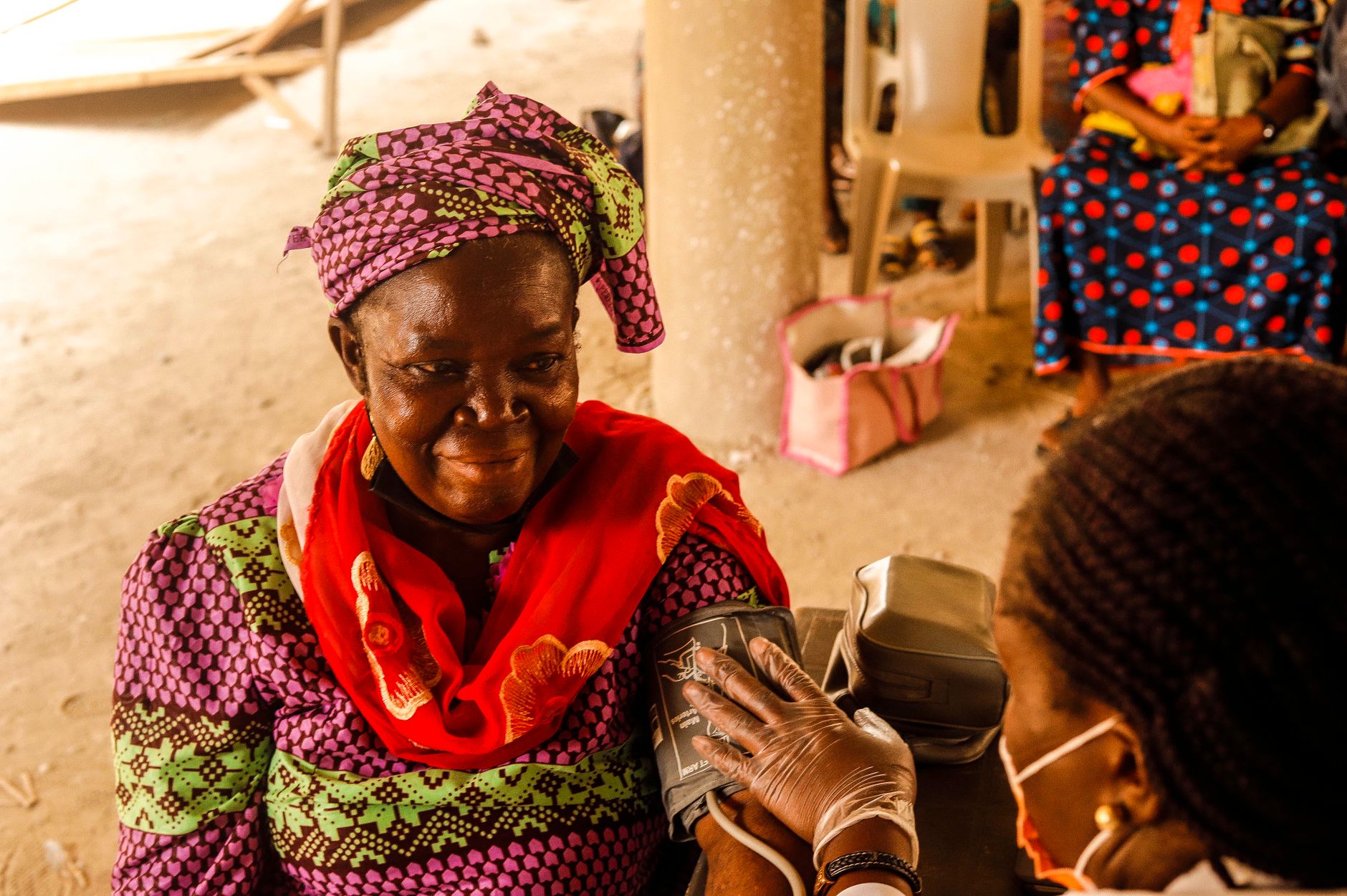
Understanding and adopting preventive healthcare practices is a crucial step towards maintaining long-term wellness and reducing the burden of disease. This proactive approach focuses on safeguarding health before illnesses manifest or worsen. For Kannada speakers, grasping the essence of this concept involves understanding its translation and practical applications.
Preventive healthcare is not merely about treating sickness; it is about building a foundation for robust health. It encompasses a range of actions designed to protect individuals from potential health threats and enhance their overall quality of life.
What is Preventive Healthcare? (ತಡೆಗಟ್ಟುವ ಆರೋಗ್ಯ ರಕ್ಷಣೆ)
In Kannada, the term for "health care" is "ಆರೋಗ್ಯ ರಕ್ಷಣೆ" (arogya rakshane). Expanding on this, "preventive healthcare" can be directly translated as "ತಡೆಗಟ್ಟುವ ಆರೋಗ್ಯ ರಕ್ಷಣೆ" (tadegattuvva arogya rakshane). Another related term that conveys the idea is "ರೋಗ ತಡೆಗಟ್ಟುವಿಕೆ" (roga tadegattuvike), which means disease prevention.
The fundamental aim of preventive healthcare is to protect, promote, and maintain overall wellness and health. This approach emphasizes anticipating potential health issues rather than reacting to them once they have fully developed. By identifying and addressing risk factors early, individuals can significantly mitigate the progression of various conditions.
A core idea behind this proactive strategy is to detect and treat diseases at their nascent stages. Early intervention is critical for preventing an illness from advancing, which in turn can lead to substantial reductions in treatment costs and alleviate pain and suffering associated with severe conditions.
The Three Levels of Preventive Care
Preventive healthcare is systematically categorized into three distinct levels, each targeting different stages of health and disease. These levels ensure a comprehensive approach to maintaining well-being across an individual's lifespan.
Primary Prevention (ಪ್ರಾಥಮಿಕ ತಡೆಗಟ್ಟುವಿಕೆ)
Primary prevention focuses on preventing diseases or injuries before they even occur. This level is largely about fostering healthy environments and behaviors to avoid the initial onset of illness. It aims to reduce the risk of developing a health problem in individuals who are currently healthy.
Key components of primary prevention include education and awareness campaigns. These initiatives cover vital aspects such as balanced nutrition, regular physical exercise, and promoting safe practices in daily life. Immunizations against infectious diseases, like vaccinations for measles or polio, are also critical examples of primary preventive measures that protect against specific pathogens.
Secondary Prevention (ದ್ವಿತೀಯಕ ತಡೆಗಟ್ಟುವಿಕೆ)
Secondary prevention involves interventions after a diagnosis has been made but before the illness has progressed significantly. The goal here is to manage an existing condition and halt its worsening, thereby preventing severe complications or disability. It targets individuals who may already have a disease but are not yet experiencing its full impact.
This level of care includes regular medical exams and screening tests, particularly for individuals with known risk factors for certain conditions. For instance, routine blood pressure checks for those at risk of hypertension, or mammograms for early detection of breast cancer, fall under secondary prevention. These screenings are vital for early detection and prompt management.
Tertiary Prevention (ತೃತೀಯಕ ತಡೆಗಟ್ಟುವಿಕೆ)
Tertiary prevention focuses on providing programs for managing long-term health problems and preventing further deterioration or recurrence of a disease. This level of care is typically for individuals who have already developed a chronic illness or experienced a significant health event. The objective is to minimize the negative impact of the condition, improve functionality, and enhance the individual's quality of life.
Examples include patient support groups for chronic conditions like diabetes or heart disease, which offer emotional and practical assistance. Rehabilitation services, such as physical therapy after a stroke or cardiac rehabilitation, are also crucial aspects of tertiary prevention. These services help individuals regain function and adapt to their condition, preventing further complications.
Practical Steps for Implementing Preventive Healthcare
Adopting preventive healthcare practices into daily life involves several actionable steps. These measures are fundamental for maintaining good health and proactively addressing potential issues before they escalate.
- Schedule Regular Health Check-ups: Consistently arranging appointments with healthcare providers is paramount. These visits allow for the monitoring of general health and the early identification of any risk factors or nascent health issues, facilitating timely intervention.
- Manage Stress Effectively: Integrating stress-reducing activities into your daily routine is vital for overall well-being. Practices such as deep breathing exercises, meditation, yoga, or engaging in hobbies can significantly lower stress levels, which in turn supports physical and mental health.
- Maintain Good Hygiene: Regular hand washing with soap and warm water is a simple yet highly effective preventive measure. Using hand sanitizer, especially after touching public surfaces, also helps in preventing the spread of infections and maintaining personal health.
- Stay Hydrated: Consuming adequate amounts of water is essential for various bodily functions, including flushing toxins. Healthy adults are generally advised to drink approximately 8-10 glasses of water daily to support optimal hydration and organ function.
- Prioritize Nutrition and Exercise: Adhering to general guidelines for healthy eating and engaging in regular physical activity forms the cornerstone of primary prevention. A balanced diet and consistent exercise routine are fundamental for maintaining a healthy weight, boosting immunity, and preventing numerous chronic diseases.
Historical Context: Preventive Health in Ancient India
The concept of preventive health is not new; it has deep roots in ancient civilizations, including India. Ancient Indian texts provide valuable insights into early understandings of health protection and wellness.
Texts such as the Charaka Samhita and Sushruta Samhita, foundational treatises of Ayurveda, highlighted the importance of a proactive approach to health. These ancient scriptures emphasized the significance of hygiene, acknowledging its role in preventing illness.
Furthermore, these texts underscored the critical role of clean water and nutritious food in health protection. This historical perspective demonstrates an enduring awareness of how lifestyle and environmental factors contribute to overall well-being, long before modern medical science emerged.
Common Mistakes to Avoid in Preventive Healthcare
Despite the clear benefits of preventive healthcare, individuals often make certain oversights that can undermine their efforts. Recognizing these common pitfalls is the first step toward overcoming them and ensuring a more effective health strategy.
A common oversight is the neglect of regular health check-ups. Postponing or skipping these essential appointments can delay the early detection and treatment of potential health problems, allowing conditions to progress unnoticed.
Another prevalent mistake is underestimating the profound impact of lifestyle choices on long-term health. Factors such as diet, exercise habits, and stress management play a significant role. Neglecting these areas can lead to the development of preventable conditions, despite other preventive efforts.
Frequently Asked Questions
What specific government programs or initiatives are available in Karnataka to promote preventive healthcare?
The provided research notes do not contain information on specific government programs or initiatives in Karnataka for preventive healthcare.
What are the common barriers that prevent people in Kannada-speaking communities from accessing preventive healthcare services?
The provided research notes do not contain information on common barriers to accessing preventive healthcare services in Kannada-speaking communities.
How can awareness campaigns be made more effective in encouraging preventive health practices among the Kannada-speaking population?
The provided research notes do not contain information on how to make awareness campaigns more effective for the Kannada-speaking population.
Sources
- shabdkosh.com
- youtube.com
- patientadvocate.org
- medicoverhospitals.in
- bighaat.com
- katyayanikrishidirect.com
Last updated: 2026-10-01
Photo: Lagos Food Bank Initiative / Pexels
Reader Responses (0)
No approved comments yet. Be the first to share your perspective!