
Renewable Energy Transition Meaning: Scope, Goals, and Impact
The renewable energy transition means shifting global energy from fossil fuels to clean sources to hit zero carbon emissions by 2050 and limit warming.
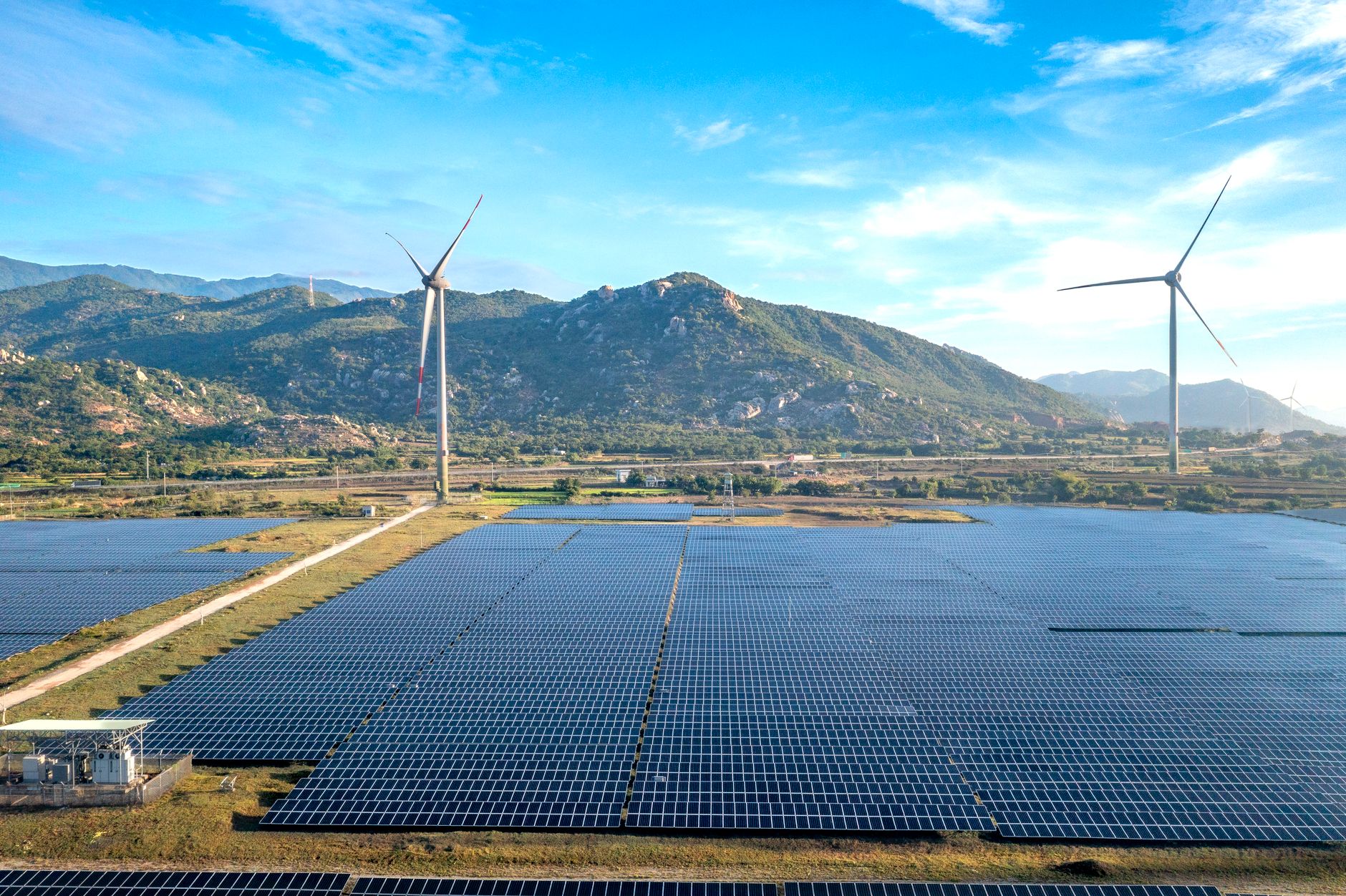
The renewable energy transition is defined as the global energy sector's shift away from fossil-based systems—such as oil, natural gas, and coal—toward renewable energy sources like wind, solar, hydroelectric, and geothermal power. This structural shift aims to transform how power is generated, distributed, and consumed globally to eliminate carbon emissions.
Core Goals and Global Energy Targets
The primary objective of the renewable energy transition is to achieve zero carbon emissions by 2050. According to the International Renewable Energy Agency (IRENA), this process is defined as a gradual and steady shift toward a zero-carbon energy system.
This initiative forms a fundamental part of an international strategy to limit global warming to 1.5°C above pre-industrial levels. To keep this target within reach, energy systems must meet the near-term milestone of reducing emissions by 45% by 2030.
Achieving these targets requires replacing traditional energy generation across all sectors. Because fossil fuels currently provide 80% of the global energy supply, the scope of this transformation extends far beyond local electricity grids.
Historical Context and Modern Drivers
Energy transitions are not unprecedented in human history, but the current movement operates under unique constraints. Previous energy shifts, such as the transition from wood to coal during the Industrial Revolution, took 50 to 70 years to play out globally.
Unlike past historical shifts that were primarily driven by resource availability, the modern transition is driven by policy pressure and falling technology costs. Governments and industries are accelerating timelines to prevent severe environmental and economic outcomes.
The technological core of this movement relies on mature and developing renewable technologies. Primary options include solar photovoltaics, onshore and offshore wind power, hydroelectric power plants, and geothermal energy systems.
How the Energy Transition Works in Practice
Moving away from fossil fuels involves interconnected processes spanning infrastructure, technology, and governance. It is a systematic process rather than a simple replacement of utility equipment.
The core practical mechanism relies on systematically substituting coal, oil, and natural gas with non-emitting alternatives. This relies heavily on developing advanced technologies, including chemical energy storage solutions and low-emission hydrogen production.
Electrification serves as a primary pathway to remove carbon from broader economic sectors. Transportation networks along with residential heating and cooling systems must shift from direct fossil fuel combustion to operating on renewable electricity.
Digitalization supports this shift by applying digital management tools to power generation facilities and delivery grids. Advanced networks help integrate variable supply from wind and solar while improving efficiency from generation to consumption.
National policy frameworks must be reformed to support low-carbon infrastructure projects and economic incentives. This requires a circular rethinking of energy systems, shifting from extracting finite natural resources to models that operate within natural cycles.
Sector-Specific Decarbonization Pathways
Decarbonizing global energy usage requires distinct technical strategies tailored to specific industries. Power generation, transportation, and heavy manufacturing each follow specialized pathways.
The power grid serves as the initial focus of the transition. Energy providers replace legacy coal and gas facilities with solar photovoltaics, wind power, and hydroelectric installations to establish a zero-emission grid baseline.
The transport sector transitions by converting passenger and commercial road vehicles to electric powertrains. For heavy transport, marine shipping, and aviation, industry operators are developing cleaner alternative fuels and hydrogen technologies.
Industrial facilities face unique operational requirements due to high-temperature demands. Industrial decarbonization requires replacing fossil-fuel boilers and furnaces with low-carbon alternatives, electric heating systems, or clean hydrogen inputs.
Common Challenges and Misconceptions
A frequent error in transition planning is ignoring industrial heat. While renewable electricity generation receives significant focus, industrial heat remains a major emitting sector that is technically harder to decarbonize than standard power grids.
Another major caveat is treating the transition as a linear process. The movement is a non-linear structural shift occurring across multiple sectors simultaneously, with each sector facing distinct economic, technical, and supply constraints.
Underestimating the scope of the effort can lead to policy and infrastructure bottlenecks. The shift is not merely a technological swap, but a transformative economic process that impacts supply chains, labor markets, and global trade.
Maintaining social fairness remains essential to avoiding economic harm. A successful shift requires a just transition that prioritizes social equity, workforce inclusion, and human development.
Workers in fossil-fuel intensive industries face potential job losses and reduced regional income. Without supportive policies, vulnerable communities face heightened risks from energy insecurity and rising costs of living during the transition period. Policy makers must adjust standard target settings, like the 1.5°C benchmark, to account for regional social needs.
Ongoing Questions in the Global Transition
As governments and grid operators execute long-term decarbonization plans, several key strategic questions remain actively evaluated by policy experts.
- Total Consumption Targets: Analysts continue researching methods to achieve 100% renewable energy integration across all end-use sectors, including heating, cooling, transport, and electricity.
- Industrial Heat Solutions: Industry operators are actively testing the most effective clean heat technologies needed to fully decarbonize heavy manufacturing processes.
- Preventing Energy Poverty: Policy leaders are seeking strategies to structure energy policies that protect low-income households from rising living costs during the transformation.
- Economic and Job Growth: Researchers are assessing the long-term net economic benefits and specific job creation potential associated with new clean energy infrastructure.
- Sectoral Timelines: Energy planners continue evaluating how quickly individual sectors—such as power generation, transit, and heavy industry—can realistically complete decarbonization.
Frequently Asked Questions
What is the primary goal of the renewable energy transition?
The main goal is to achieve zero carbon emissions by 2050 and limit global warming to 1.5°C above pre-industrial levels, supported by an interim target of reducing emissions by 45% by 2030.
Why is the transition away from fossil fuels challenging?
Fossil fuels currently supply 80% of the global energy supply. Furthermore, sectors like heavy industry and industrial heat are technically difficult to decarbonize compared to standard electricity generation.
What is meant by a "just transition"?
A just transition is an approach that prioritizes social equity, inclusion, and fair treatment for workers and communities vulnerable to economic losses, job displacement, or energy poverty during the shift to clean energy.
Sources
Last updated: 2026-11-24
Photo: Quang Nguyen Vinh / Pexels
Reader Responses (0)
No approved comments yet. Be the first to share your perspective!