
Small Business Logistics: Optimize Flow, Cut Costs
Effective logistics is crucial for small businesses to manage goods, reduce costs, and boost customer satisfaction.
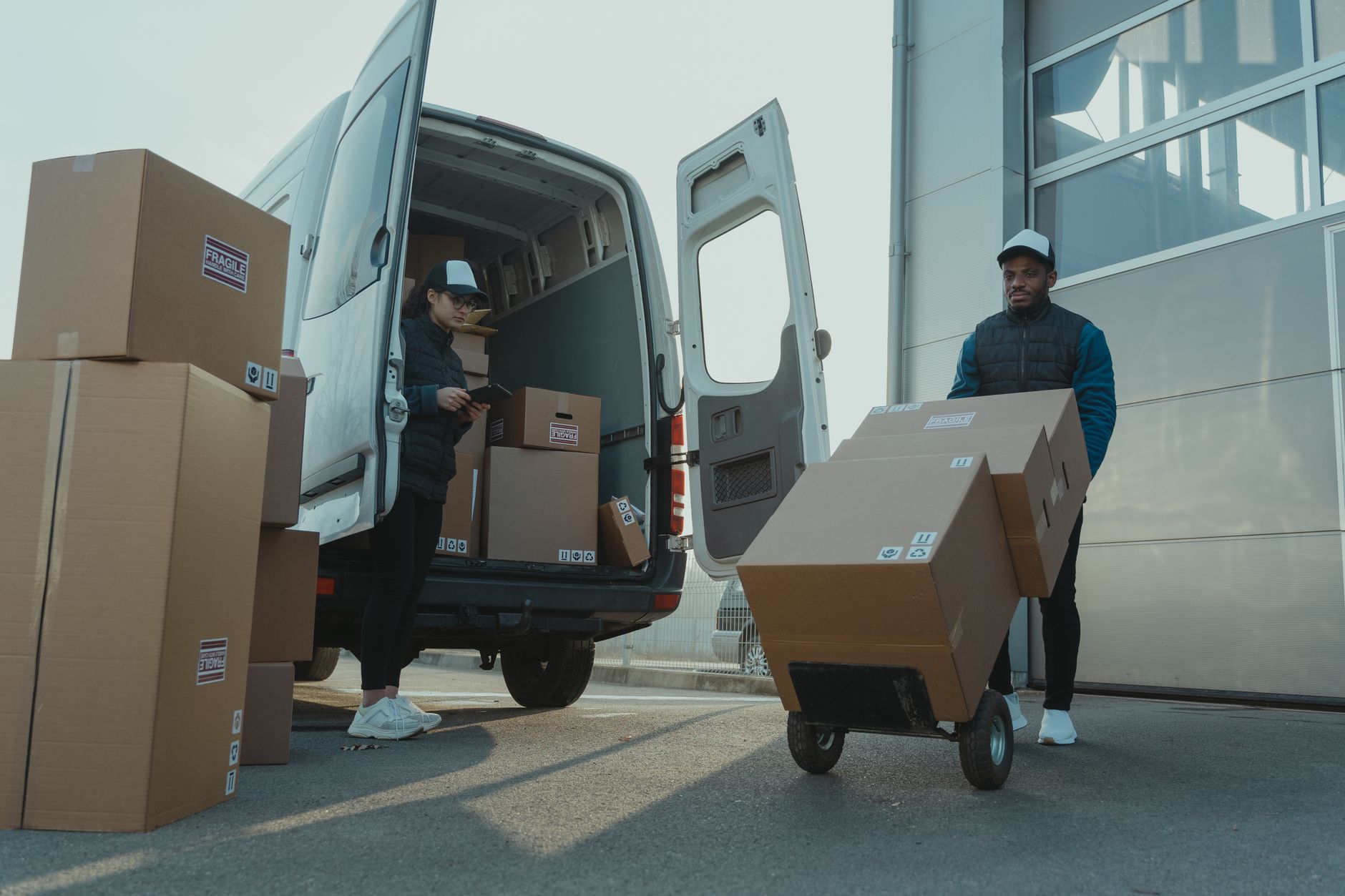
For small businesses, managing the flow of goods from origin to destination is critical. This process, known as logistics, directly impacts efficiency, operational costs, and customer satisfaction. Optimizing logistics can transform it from a necessary expense into a powerful competitive advantage.
Today, small businesses can access scalable infrastructure and advanced technology previously reserved for larger corporations. By strategically adopting solutions like Third-Party Logistics (3PL) providers and cloud-based systems, businesses can meet heightened customer expectations for speed and reliability while effectively managing expenses.
Understanding Small Business Logistics
Logistics involves the careful planning and execution of moving goods. For small businesses, this includes several key components: transportation, warehousing, inventory management, order fulfillment, and customer service. Each element plays a vital role in ensuring products reach customers efficiently.
The goal is to streamline these processes to improve operational efficiency, reduce expenses, and ultimately enhance the customer experience. Efficient logistics helps businesses meet demand without excessive costs or delays.
Why Logistics is Crucial for Small Businesses
Effective logistics management directly impacts a small business's bottom line and reputation. Transportation costs alone can constitute up to 60% of a company's total logistics expenses, with fuel often making up about 50% of total supply chain expenses. Poor management in this area can quickly erode profits.
Beyond costs, customer satisfaction is heavily influenced by delivery experience. An estimated 85% of online shoppers state they would not order from a retailer again after a poor delivery experience. Furthermore, businesses lose an estimated 20% of sales due to stockouts, highlighting the critical role of inventory management.
Common Logistics Challenges for Small Businesses
Small businesses often face unique hurdles in logistics, including budget constraints, limited infrastructure, and a lack of specialized knowledge. These challenges can lead to inefficiencies that increase costs and frustrate customers.
Inefficient freight processes, for example, can increase overall logistics costs by up to 15%. Miscalculating these overall logistics costs, or failing to track all expenses, can lead to significant financial issues. Businesses that treat logistics as an afterthought often find themselves reacting to problems rather than proactively preventing them.
Strategies for Optimizing Small Business Logistics
Implementing strategic logistics solutions can help small businesses overcome common challenges and gain a competitive edge. These strategies focus on leveraging technology, building partnerships, and streamlining internal processes.
Implement Inventory Management Systems
Effective inventory management is fundamental to logistics. Businesses should utilize cloud-based inventory management software for real-time visibility into stock levels. Tools like QuickBooks or even Excel for basic needs can help predict demand and prevent both overstocking and stockouts.
Conducting regular manual audits complements software insights, ensuring accuracy. Investing in cost-effective inventory management software can potentially save a business up to 30% in inventory costs by optimizing stock levels and reducing waste.
Consider Third-Party Logistics (3PL) Providers
Partnering with a 3PL provider can be a strategic move for small businesses. 3PLs offer outsourced services such as warehousing, order fulfillment, inventory management, and shipping. This partnership allows small businesses to access better shipping rates, standardized packaging, and advanced technology without significant infrastructure investment.
A 3PL can reduce transportation costs by as much as 20% through shared resources and optimized routes. Notably, Amazon is expanding its logistics network, including its supply chain and fulfillment offerings, to businesses not selling on its platform, providing scalable infrastructure that was once exclusive.
Optimize Transportation Choices
Understanding transportation options is key to cost-effectiveness. Less Than Truckload (LTL) shipping is generally more cost-effective for shipments under 10 pallets or 15,000 lbs, as multiple businesses share space on one truck. For larger volumes, Full Truckload (FTL) shipping is typically used for shipments exceeding 10 pallets or 15,000 lbs, often offering faster transit times.
It is advisable to build relationships with 2-3 reliable carriers before urgent needs arise. This proactive approach can secure better rates and ensure more reliable service when shipments are critical.
Centralize Data and Operations
Operating with fragmented systems for different logistics functions creates inefficiencies and reduces visibility. Consolidating supply chain data into a single source of truth using cloud-based tools can significantly improve visibility and streamline workflows. This allows for better decision-making and quicker responses to changes.
Plan for Returns (Reverse Logistics)
An efficient and cost-effective process for managing product returns, known as reverse logistics, is essential. Retailers typically lose $30 on each return, with processing costs tripling during the e-commerce boom. A well-defined returns policy and process can mitigate these losses and improve customer satisfaction.
Utilize Route Optimization Tools
For businesses with their own delivery fleets, route optimization tools are invaluable. These software solutions help minimize travel distance and fuel consumption for deliveries, directly impacting transportation costs and delivery times. This can be particularly beneficial for last-mile delivery efficiency.
Avoiding Common Logistics Mistakes
Many small businesses encounter similar pitfalls in their logistics journey. Recognizing and proactively avoiding these common mistakes can save significant time and money.
- Ineffective Inventory Management: This leads to costly stockouts, resulting in lost sales, or overstocking, which ties up valuable capital in unsold goods.
- Underestimating Shipping Costs: Businesses often overlook expenses such as packaging materials, fuel surcharges, and return fees, leading to inaccurate financial projections.
- Not Tracking Shipments: Losing visibility of orders after they leave the warehouse can lead to customer dissatisfaction and difficulty resolving delivery issues.
- Miscalculating Overall Logistics Costs: Failing to track all expenses related to the supply chain can lead to significant financial issues and hinder accurate budgeting.
- Operating with Fragmented Systems: Using disconnected platforms for different logistics functions creates data silos and inefficiencies, making it difficult to get a complete picture of operations.
- Waiting to Find Carriers: Delaying carrier relationship building until an urgent shipment is needed often results in higher rates and limited options, compromising timely delivery.
- Treating Logistics as an Afterthought: Only addressing logistics issues reactively when problems occur, rather than proactively planning and optimizing, can be a major disadvantage.
The Payoff of Strong Logistics
Businesses that prioritize and optimize their logistics systems often see tangible benefits. Over 65% of small businesses with strong logistics systems have maintained or increased their sales. This demonstrates that investing in logistics is not just about cutting costs, but also about driving growth and customer loyalty.
By transforming logistics from a reactive problem-solving task into a proactive strategic function, small businesses can enhance operational efficiency, improve customer experiences, and ultimately achieve sustainable growth in a competitive market.
Frequently Asked Questions
What are the main components of logistics for a small business?
Logistics for a small business encompasses transportation, warehousing, inventory management, order fulfillment, and customer service.
How can small businesses reduce transportation costs?
Small businesses can reduce transportation costs by partnering with Third-Party Logistics (3PL) providers, optimizing routes with software, and choosing appropriate shipping methods like Less Than Truckload (LTL) or Full Truckload (FTL) based on shipment size.
What are the risks of ineffective inventory management?
Ineffective inventory management can lead to stockouts, resulting in lost sales, or overstocking, which ties up valuable capital and increases storage costs.
Sources
Last updated: 2026-10-21
Photo: Tima Miroshnichenko / Pexels
Reader Responses (0)
No approved comments yet. Be the first to share your perspective!