
Space Tech Priorities: Long-Duration Missions and Autonomy
Space technology priorities are shifting towards sustainable, long-duration presence beyond Earth. Key areas include lunar infrastructure, advanced…
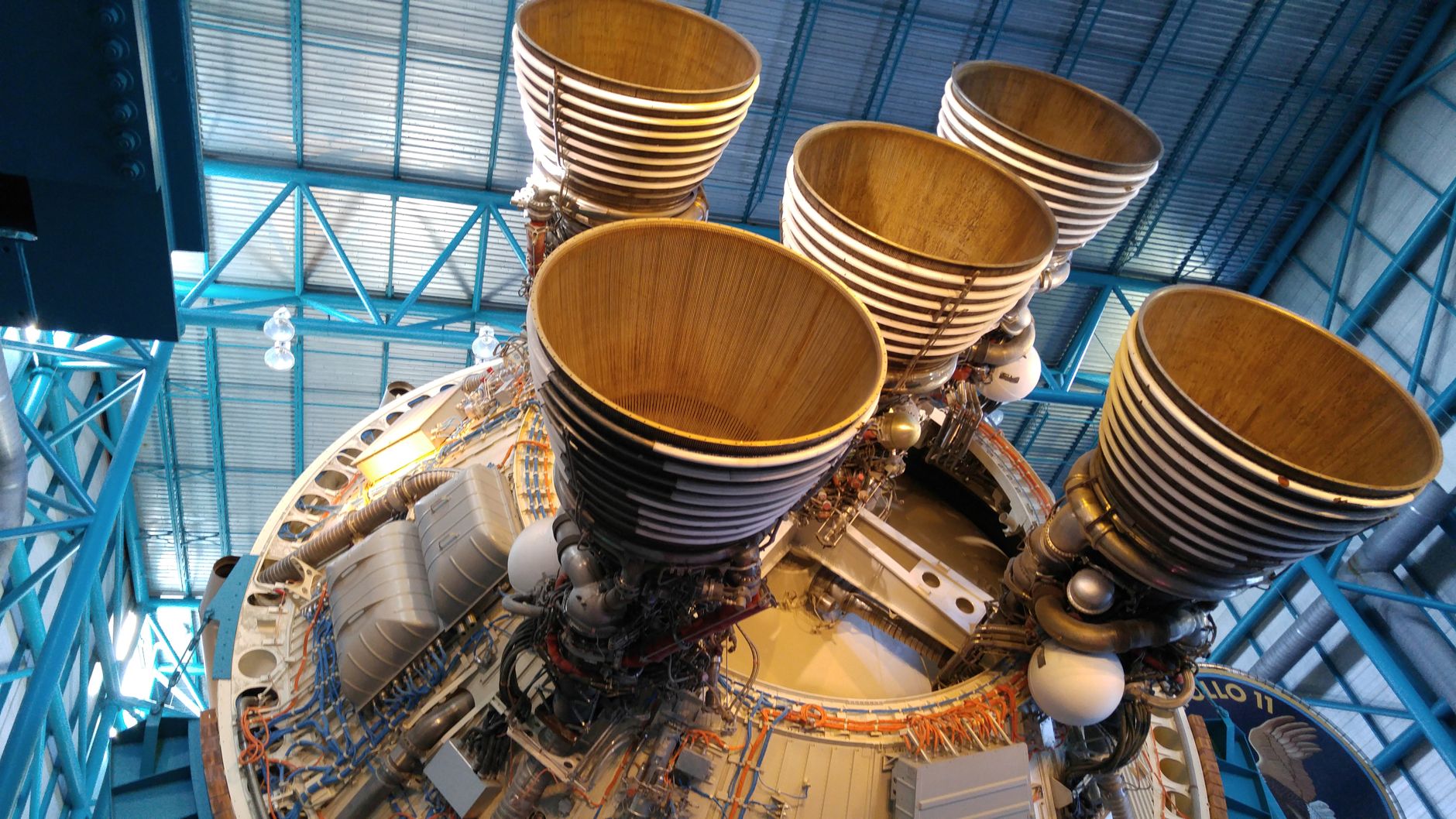
The space industry is undergoing a significant strategic shift, prioritizing the establishment of a sustainable, long-duration human and robotic presence beyond Earth orbit. This ambitious goal, particularly focused on the Moon and Mars, is driven by a blend of governmental strategic investments and rapidly evolving private sector innovation. Key technological advancements in infrastructure, autonomy, and advanced propulsion are central to realizing these future missions.
Understanding these priorities is crucial for stakeholders across various sectors, from investment and career planning to academic research. The convergence of public-private collaboration and cutting-edge engineering is reshaping the landscape of space exploration and utilization.
NASA's Strategic Investment Priorities for Civil Space
NASA's strategic direction for its civil space technology investments is clearly outlined in its annual shortfall ranking process. On May 20, 2026, NASA released its 2026 Civil Space Shortfall Ranking list, which integrated over 400 responses from a broad spectrum of stakeholders including industry, academia, and government agencies. This process is instrumental in identifying critical technology gaps that need addressing to meet future mission requirements.
The 2026 shortfall process consolidated 187 individual civil space shortfalls into 32 broader, integrated categories. Based on these results, NASA Technology selected 40 primary focus areas for its fiscal year 2026 investments. These focus areas represent the most pressing technological needs to advance the agency's exploration and scientific objectives.
Top-Ranked Shortfalls Guiding NASA Investments
Among the highest-ranking shortfalls, developing infrastructure and capabilities for assets to operate for extended durations in the lunar environment emerged as a paramount concern. This includes technologies that can withstand the harsh lunar conditions for extended periods, enabling sustained human and robotic operations.
Other high-ranking priorities for NASA include surface mobility and logistics for crew and assets on planetary surfaces. This encompasses the development of advanced rovers, landers, and transportation systems necessary for efficient movement and resource delivery across celestial bodies. Furthermore, on-board advanced computing capabilities for space operations ranked third overall, highlighting the critical need for sophisticated processing power in autonomous systems.
Beyond these top three, NASA's priorities also extend to categories focusing on autonomous robotics, deep-space navigation, remote sensing technologies, and in-space maintenance and repair systems. These areas collectively underscore the agency's commitment to enhancing operational independence and resilience in deep space.
Industry Drivers: Lockheed Martin's Investment Areas
Major industry players like Lockheed Martin are also aligning their investment strategies with these overarching space technology trends. Lockheed Martin identifies several key investment areas that mirror and complement governmental priorities, emphasizing agility and advanced capabilities. These include accelerating human lunar exploration, advancing proliferated and distributed architectures, integrating autonomy and edge AI, and delivering capabilities faster and at a lower cost.
The company specifically highlights several space technology trends to watch. These include continued focus on human lunar exploration, significant advancements in propulsion systems, the development of proliferated satellite architectures, and the need for resilient navigation and military communications. Autonomy, AI, and cybersecurity are also critical, alongside threat detection, quantum technologies, on-orbit servicing, and commercial services.
Advancing Propulsion and Power for Deep Space
A significant area of investment for Lockheed Martin is advanced propulsion and power. The company is actively developing fission surface power (FSP) systems, which are crucial for providing sustained and reliable energy for lunar exploration missions. Such systems are essential for supporting long-duration habitats and scientific instruments in the lunar environment.
For more efficient space travel to distant destinations, Lockheed Martin is also investing in nuclear electrical propulsion (NEP) and nuclear thermal propulsion (NTP). These advanced propulsion technologies offer significantly higher thrust and efficiency compared to conventional chemical rockets, drastically reducing transit times to planets like Mars and enabling more ambitious deep-space missions.
The Rise of the "NewSpace" Economy and Public-Private Collaboration
The space industry is being fundamentally reshaped by the "NewSpace" economy, a dynamic sector driven by private companies. Innovators like SpaceX, Rocket Lab, Blue Origin, and Virgin Galactic are characterized by their focus on developing more accessible and less expensive space technologies and services. This shift has democratized access to space and fostered a rapid pace of innovation.
NASA's FY26 priorities explicitly reinforce the growing role of public-private collaboration. This partnership model leverages the agility and cost-effectiveness of the private sector alongside governmental strategic direction and funding. It also emphasizes advanced engineering and the development of domestic industrial capability, ensuring a robust and self-sufficient space ecosystem.
The collaborative approach allows governmental agencies to outsource certain services, freeing up resources for high-risk, high-reward research and development. It also creates a competitive market that drives down costs and accelerates technological advancements across the board, benefiting both commercial and scientific endeavors.
Enabling Technologies for Future Space Missions
Several technological advancements are critical enablers for achieving the ambitious goals of long-duration space presence and deep-space exploration. These technologies address various operational challenges, from autonomous decision-making to efficient travel.
Autonomy and Advanced Computing
The importance of autonomy and advanced computing cannot be overstated. As noted, advanced onboard computing capabilities ranked as the third overall shortfall in NASA's assessment, indicating a critical need for further development. This area encompasses technologies for autonomous robotics, which can perform complex tasks without constant human intervention, from resource extraction to infrastructure assembly.
Autonomous systems are also vital for deep-space navigation, remote sensing, and in-space maintenance and repair. These capabilities reduce reliance on real-time commands from Earth, which are subject to significant communication delays over vast distances. A notable success in this field was NASA's Starling mission in 2024, which provided the first successful in-orbit example of autonomous swarming technologies, demonstrating the potential for self-organizing satellite constellations.
Resilient Architectures and Cybersecurity
With an increasing number of assets in space, the development of proliferated satellite architectures is a key trend. These distributed systems enhance resilience by spreading mission capabilities across many smaller, interconnected satellites rather than relying on a few large, complex ones. This approach improves redundancy and makes the overall system less vulnerable to single points of failure.
Alongside proliferated architectures, resilient navigation and military communications are paramount for both civilian and defense applications. Ensuring secure and uninterrupted communication channels and precise positioning data is critical for mission success and national security. Cybersecurity measures are also increasingly integrated into space systems design to protect against potential threats and ensure operational integrity.
Digital Engineering for Accelerated Development
To deliver capabilities faster and at a lower cost, companies like Lockheed Martin are extensively leveraging digital engineering. This approach involves creating comprehensive digital models of space systems and missions, allowing for end-to-end simulation, analysis, and optimization before physical hardware is even built. Digital engineering facilitates rapid iteration, identifies potential issues early, and ultimately leads to more affordable and scalable space capabilities.
Challenges and the "Grand Challenge of Sustainability"
Despite the rapid advancements and ambitious goals, the space industry faces significant challenges, particularly concerning long-term sustainability. One critical area is managing the increasing satellite traffic and space debris. As more satellites are launched, the risk of collisions rises, threatening operational spacecraft and creating more debris, which can cascade into further collisions.
Preventing international conflict in space is another crucial aspect of the "Grand Challenge of Sustainability." Establishing clear norms of behavior and fostering international cooperation are essential to ensure that space remains a domain for peaceful exploration and utilization rather than a new arena for geopolitical tensions. The long-term viability of space operations depends heavily on responsible conduct by all spacefaring nations and entities.
Furthermore, shifts in executive branch priorities can significantly impact funding and personnel for ongoing and planned scientific missions. Such changes can lead to delays or cancellations, potentially putting countries at a competitive disadvantage in the global space race. Consistent, long-term strategic vision and funding are vital for sustained progress in space exploration and technology development.
Conclusion
The strategic focus of space technology is unequivocally shifting towards enabling sustainable, long-duration human and robotic presence beyond Earth orbit, with a particular emphasis on the Moon and Mars. This ambitious vision is being realized through a combination of targeted governmental investments, as evidenced by NASA's priority shortfalls, and the dynamic innovation of the private "NewSpace" economy.
Key technological advancements in lunar infrastructure, surface mobility, advanced onboard computing, and nuclear propulsion are at the forefront of this evolution. As public-private collaborations deepen and digital engineering streamlines development, the future of space exploration promises more accessible, efficient, and resilient missions, while simultaneously addressing the critical challenges of sustainability and responsible space stewardship.
Frequently Asked Questions
How can long-duration human presence on the Moon and Mars be sustainably achieved?
Achieving sustainable long-duration presence on the Moon and Mars requires developing robust infrastructure for extended operations in extreme environments, enhancing surface mobility and logistics, and integrating advanced onboard computing and autonomous systems. Advanced propulsion systems like nuclear thermal and electrical propulsion are also critical for efficient transit.
What are the most effective strategies for managing space debris and ensuring the long-term sustainability of space operations?
Effective strategies for managing space debris and ensuring long-term sustainability include designing satellites for end-of-life deorbiting, developing on-orbit servicing and repair capabilities to extend satellite lifespans, and fostering international cooperation to establish norms and prevent conflict in space. Proliferated satellite architectures also require careful management to mitigate collision risks.
How will advanced technologies like AI, quantum computing, and nuclear propulsion fundamentally change the scope and feasibility of future space missions?
Advanced technologies will significantly expand the scope and feasibility of future space missions. AI and autonomy will enable self-correcting systems and complex swarming operations, reducing reliance on Earth-based control. Nuclear propulsion will drastically cut transit times to distant destinations like Mars, making crewed missions more practical. Quantum technologies could offer enhanced communications and sensing capabilities, further advancing deep-space exploration.
What role will commercial services play in supporting governmental space exploration initiatives?
Commercial services are playing an increasingly vital role in supporting governmental space exploration initiatives by offering more accessible and less expensive space technologies and services. This "NewSpace" economy, driven by private companies, fosters innovation in areas like launch services, satellite manufacturing, and even lunar payload delivery, enabling public-private collaborations that accelerate mission timelines and reduce costs for agencies like NASA.
Sources
Last updated: 2026-11-17
Photo: John McQ / Pexels
Reader Responses (0)
No approved comments yet. Be the first to share your perspective!