
How Social Media Algorithms Personalize Your Feed
Social media algorithms use complex mathematical processes to curate personalized content feeds. They prioritize engagement and relevance to maximize user…
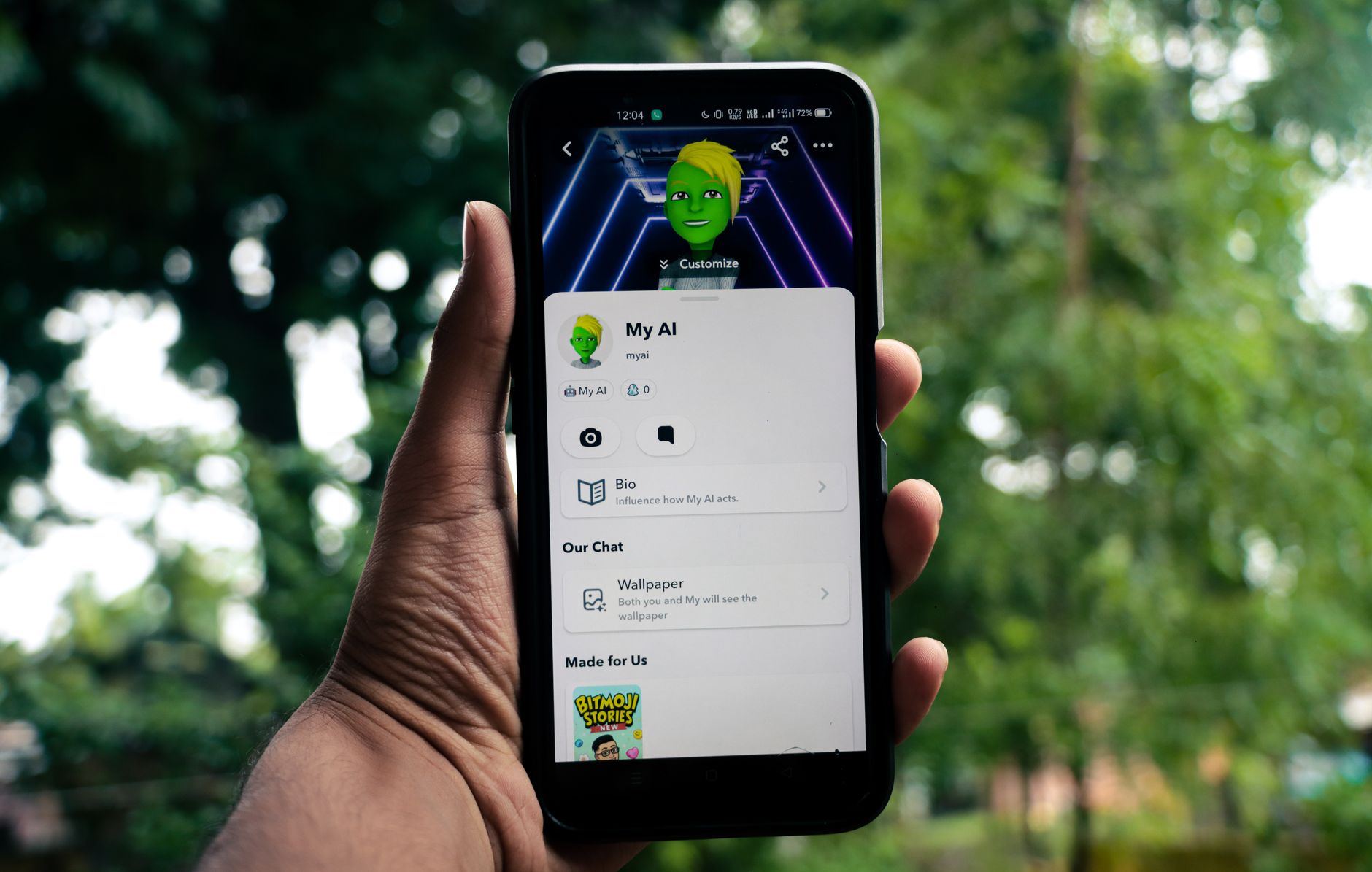
Social media algorithms are complex mathematical processes that dictate what content users see in their feeds. These systems are designed to personalize the online experience, ensuring each user encounters content predicted to be most relevant and engaging to them.
The underlying mechanisms analyze a vast array of user data and content characteristics. This continuous analysis allows platforms to curate unique feeds, moving far beyond simple chronological display.
What is a Social Media Algorithm?
At its core, a social media algorithm is a set of coded instructions that dictates how a computer system operates. For social media platforms, these instructions determine which pieces of content—such as posts, videos, or articles—are displayed to a user and in what order.
These algorithms make decisions about content display based on intricate calculations. They move beyond a simple reverse chronological order, which was once the standard for many platforms.
The Core Objective: Maximizing Engagement
The primary goal of social media algorithms is to prioritize content that fosters relevance and user engagement. This strategy aims to keep users on the platform for extended periods, thereby maximizing their interaction.
It is crucial to understand that algorithms are not designed to make users wiser or happier. Instead, their fundamental engineering is geared towards maximizing scrolling time and platform engagement.
How Algorithms Collect and Analyze Data
The personalization of social media feeds begins with extensive data collection. Algorithms continuously track a wide range of user actions and contextual information.
Data Collection
Algorithms monitor virtually every interaction a user has on a platform. This includes every click, scroll, share, message sent, video watched, and the precise duration a user hovers over a particular post.
Beyond direct interactions, algorithms also gather contextual information. This can include the time of day a user is active, their geographical location, preferred language settings, and any connected applications or services.
Behavioral Analysis
The collected data undergoes rigorous analysis to understand individual user behavior. This process identifies specific preferences, interaction patterns, and the types of content users tend to engage with most.
By dissecting these patterns, algorithms build a detailed profile of each user. This profile informs subsequent content recommendations, ensuring a highly personalized feed.
Key Ranking Signals Algorithms Use
To determine a post's potential interest to a user, algorithms apply different weights to various "ranking signals." These signals are crucial factors that influence a post's visibility.
Engagement
Engagement is a paramount signal, encompassing direct interactions with content. Metrics such as likes, shares, comments, and saves are heavily weighted by algorithms.
Platforms often weigh more active forms of engagement, such as saves, shares, and meaningful conversations, more heavily than passive impressions. These actions indicate a deeper level of interest from the user.
Relevance
Algorithms assess the relevance of content based on various factors. This includes keywords used in a post, the topics it addresses, and its connection to current trends.
Content that aligns with a user's stated or inferred interests, as determined by their past interactions, is prioritized. Search behavior on a platform can also significantly influence content distribution and perceived relevance.
Timeliness (Recency)
The recency of a post also plays a role in its visibility. Newer content is often given a boost, especially if it is trending or highly engaging.
However, timeliness is balanced with other signals; a highly engaging older post might still appear higher than a very recent but less engaging one.
Relationships
Algorithms consider a user's relationships and frequent interactions with other accounts. Content from accounts a user frequently engages with—through likes, comments, or direct messages—is more likely to be shown.
This signal helps to ensure that users primarily see content from people or entities they care about most. It reinforces social connections within the platform.
The Personalization Engine: Content Curation and Feedback Loop
Based on the weighted ranking signals, algorithms curate a unique and personalized feed for each user. This process is dynamic and continuously learning.
Content Curation
The algorithm prioritizes content it predicts will be most engaging to a specific user. This means that two different users can see entirely different feeds, even if they follow the exact same accounts, thanks to AI-powered personalization.
Platforms also apply filters to ensure quality and variety, often filtering out recycled, low-value, or repetitive content to enhance the user experience.
Feedback Loop
The system continuously learns and adapts based on user interactions. If a user spends more time watching a particular type of video, the algorithm interprets this as a strong signal of interest.
Consequently, the algorithm will subsequently show more similar content. This creates a continuous feedback loop, refining the personalization over time with every interaction.
Platform-Specific Nuances
Every major social media platform employs its own unique algorithm, tailored to its specific content types and user behaviors. While the core principles remain similar, the weighting of signals can differ significantly.
- Facebook: Its algorithm considers timing, user demographics, account credibility, and content type. It aims to show content that is relevant to a user's social graph and interests.
- TikTok: The "For You" page (FYP) algorithm heavily prioritizes engagement. It uses signals like past interactions (likes, shares, comments, saves) and mutual connections to rapidly identify and deliver highly relevant short-form video content.
- X (formerly Twitter): The X algorithm sources posts from both accounts a user follows (in-network) and accounts they don't (out-of-network). It scores them based on activity and engagement before applying filters for quality and variety, aiming for a diverse and engaging timeline.
- Instagram: Focuses on relevance, timeliness, and relationships, prioritizing posts from accounts users interact with most, along with popular and recent content relevant to their interests.
- LinkedIn: Its algorithm prioritizes professional relevance, engagement, and expertise. It aims to show content that helps users in their careers, connecting them with industry news, professional insights, and job opportunities.
Beyond Chronological Order: A Common Misconception
A frequent misunderstanding among users is the assumption that social media feeds display content in reverse chronological order. This is largely no longer the case across major platforms.
Algorithmic ranking has become the standard, meaning content is ordered by its predicted relevance and engagement potential, not simply by when it was posted. This shift underscores the power of algorithms in shaping what users see.
The Unintended Consequences: Engagement vs. Well-being
While algorithms excel at maximizing engagement, this design choice carries significant implications. Algorithms reward content that spreads and generates interactions, which does not necessarily equate to content that is accurate, kind, or beneficial.
A critical caveat is that if a user pauses on or watches content they find shocking or undesirable for a longer duration, the algorithm may interpret this as engagement. This can subsequently lead to the algorithm showing more similar content, inadvertently creating a feedback loop for potentially negative or unwanted material.
Users often misunderstand that algorithms are not designed for their well-being or happiness. Their primary directive is to maximize time spent on the platform, even if the content consumed is not conducive to personal growth or positive mental health.
Training Your Algorithm for a Better Feed
Understanding the feedback loop mechanism offers users a degree of control over their personalized feeds. Individuals can actively "train" their algorithms to show more of the content they genuinely want to see.
To achieve this, users should consistently engage with desired content by liking, sharing, commenting, saving, and spending more time viewing it. Conversely, actively disengaging from unwanted content—by quickly scrolling past, using "hide post" or "not interested" functions, or avoiding interaction—can signal to the algorithm to show less of that material.
Ethical Considerations and Future Outlook
The pervasive influence of social media algorithms raises important ethical questions. Their design, primarily for engagement, can impact societal discourse by creating echo chambers or amplifying certain narratives over others.
The implications for mental health, given the potential for addictive feedback loops and exposure to undesirable content, are also a subject of ongoing discussion. As data privacy regulations evolve, the design and function of these algorithms may also adapt to new legislative efforts and public expectations.
Frequently Asked Questions
What is the primary goal of social media algorithms?
The primary goal is to prioritize relevance and user engagement (likes, comments, shares) to keep users on the platform longer.
Do social media feeds display content in chronological order?
No, a common mistake is assuming social media feeds display content in reverse chronological order; algorithmic ranking is now the standard.
How can users influence their social media algorithms?
Users can influence their algorithms by actively engaging with content they want to see more of (likes, shares, saves, watch time) and disengaging from content they want to see less of (scrolling past, marking as "not interested").
Sources
Last updated: 2026-11-08
Photo: Sanket Mishra / Pexels
Reader Responses (0)
No approved comments yet. Be the first to share your perspective!