
Stock Market Technical Errors: Causes, Impact, and Safeguards
Technical errors in stock markets, from human mistakes to algorithmic glitches, can cause significant disruption.
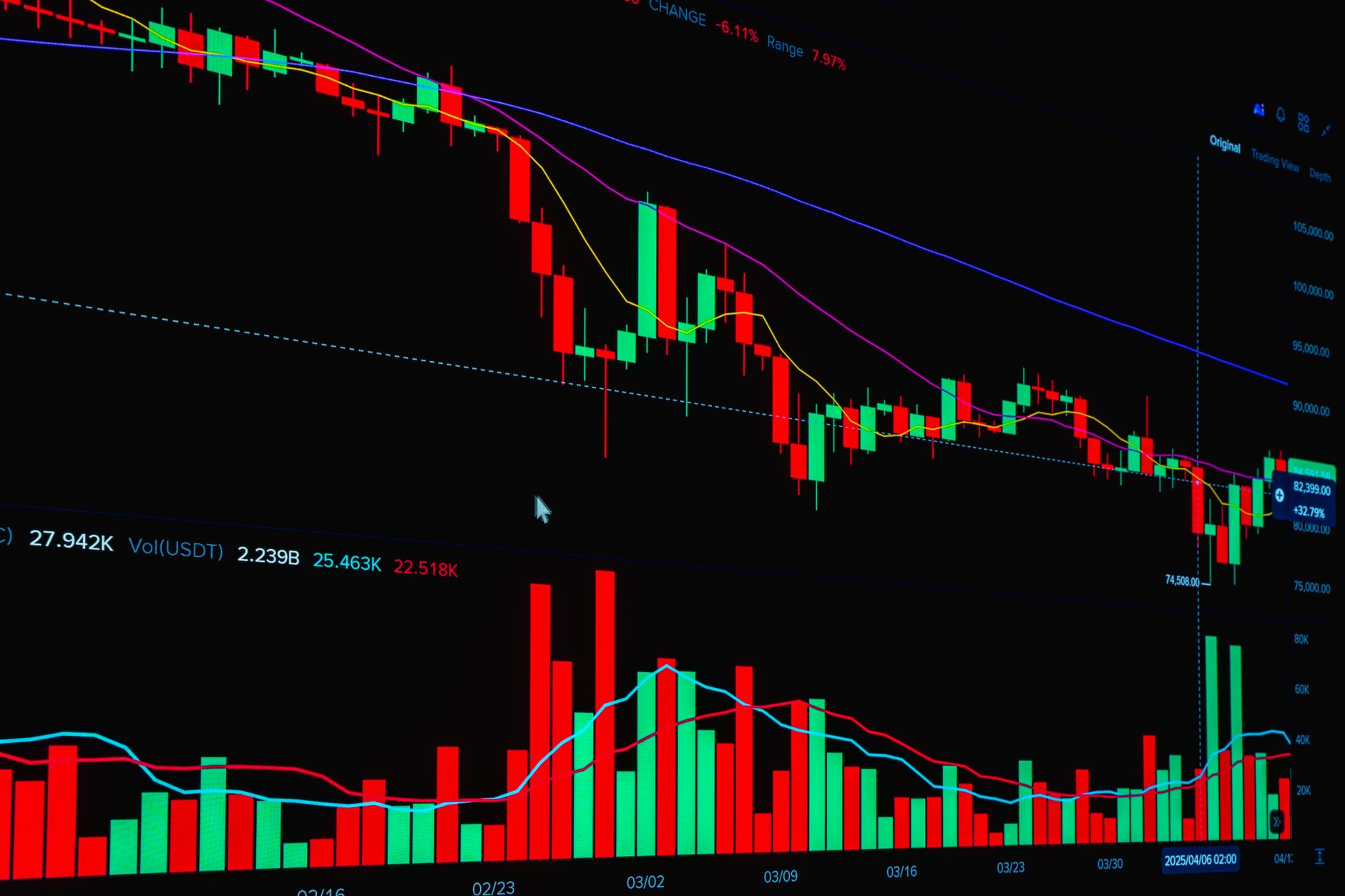
The intricate world of stock markets increasingly relies on sophisticated technology and complex algorithms. While these advancements boost efficiency and speed, they also amplify the potential for rapid and far-reaching technical errors. Such errors can range from minor data discrepancies to major market disruptions, necessitating robust safeguards and clear mechanisms for investor recourse.
Understanding Stock Market Technical Errors
A stock market technical error refers to any malfunction or anomaly within the trading system that leads to incorrect data, unintended trades, or operational disruptions. These errors can originate from various sources, including human mistakes, software bugs, hardware failures, or issues within complex automated trading systems.
For over two decades, erroneous trades have been a notable concern in financial markets. Whether stemming from a human input error or a sophisticated technical glitch, these incidents underscore the inherent vulnerabilities within high-speed trading environments.
Causes of Technical Errors
Technical errors are multifaceted, often arising from a combination of human factors and the complexities of automated systems. Both can lead to significant financial consequences.
Human Error
Human error remains a significant contributor to financial losses in trading. Factors such as stress, fatigue, greed, distractions, and cognitive biases can lead to poor decision-making and manual input errors. These mistakes can propagate quickly in a fast-paced trading environment.
Algorithmic Trading Pitfalls
The rise of automated and high-frequency trading (HFT) introduces a new class of technical errors. Common pitfalls in algorithmic trading include overfitting strategies to historical data, which makes them perform poorly in real-time. Another issue is look-ahead bias, where a strategy inadvertently uses future data that would not have been available at the time of the trade.
Other significant algorithmic errors involve ignoring transaction costs, weak risk management protocols, and failures in data quality. Inadequate forward-testing and operational failures within the trading infrastructure can also lead to systems executing unintended or erroneous orders at high volumes and speeds.
Impact and Consequences of Technical Errors
Technical errors can have severe consequences, ranging from individual firm losses to widespread market instability. Past incidents illustrate the potential for rapid and substantial financial impact.
Flash Crashes and Market Volatility
One of the most dramatic examples of a technical error's impact is a flash crash. The 2010 Flash Crash, on May 6, 2010, saw stock prices plummet for 20 minutes. During this event, the Dow Jones Industrial Average dropped 998.5 points, erasing $862 billion in market value before recovering about 600 points.
The Commodity Futures Trading Commission (CFTC) attributed this event to large E-mini futures trades placed by Waddell & Reed Financial. This incident highlighted how a single, large algorithmic order could trigger cascading effects across the market, exacerbated by high-frequency trading algorithms.
Significant Trading Disasters
Individual firms have also faced substantial losses due to technical errors. In February 2010, Infinium Capital Management's high-frequency trading system, less than a day old, uncontrollably placed 2,000-3,000 oil futures orders per second for five seconds. This uncontrolled activity resulted in a $1.03 million loss for the firm.
Another notable high-frequency trading disaster occurred in 2012, impacting Knight Capital. This event led to significant financial repercussions for the firm, demonstrating the acute risks associated with faulty trading algorithms.
Market Outages and Systemic Risk
Beyond trading errors, broader technical glitches can lead to market outages. In 2015, the New York Stock Exchange (NYSE) experienced a nearly four-hour shutdown due to a technical glitch. Such outages can erode investor confidence and disrupt the entire trading ecosystem.
The financial system, as of Q3 2026, exhibits severe internal distortions, including valuation divides and a decoupling between low index volatility and explosive single-stock swings. This environment suggests that technical errors, even minor ones, could contribute to broader systemic risks.
Managing and Mitigating Technical Errors
Financial markets and individual firms have implemented various protocols and safeguards to manage and mitigate the impact of technical errors. These measures aim to ensure market integrity and protect investors.
Firm-Level Error Correction Policies
Trading firms typically maintain specific policies for correcting trade errors. The goal is to correct errors on the same day they occur, or by the next business day if discovered after market close. Errors found later should be corrected within 24 hours of discovery to minimize impact.
Traders bear primary responsibility for identifying their own errors. They are expected to promptly report any discrepancies to their Chief Compliance Officer (CCO) and the affected Portfolio Manager (PM). This internal reporting mechanism is crucial for swift resolution.
Regulatory Oversight and Circuit Breakers
Regulatory bodies, such as the Securities and Exchange Commission (SEC), actively investigate trade errors. They expect firms to have robust procedures for both preventing errors and taking immediate corrective action when they occur. This oversight ensures accountability and promotes best practices.
Following the 2010 Flash Crash, a significant safeguard known as a circuit breaker was implemented. These mechanisms are designed to pause trading for over 1,300 securities during periods of high volatility. This pause provides time for markets to stabilize and for potentially erroneous trades to be reviewed.
U.S. Market-Wide Circuit Breakers
U.S. market-wide circuit breakers are triggered when the S&P 500 index declines by specific percentages from the previous day's closing price. A 7% decline triggers a 15-minute trading halt. Additional pauses occur at 13% and 20% declines, providing increasingly longer breaks to manage extreme market movements.
These circuit breakers proved critical during the onset of the COVID-19 pandemic in 2020. The U.S. market-wide circuit breaker was triggered four times within a 10-day period, underscoring their importance in maintaining market stability during times of crisis.
Investor Recourse and Protections
When technical errors directly impact individual investors, there are mechanisms for seeking redress. These protections are vital for maintaining investor confidence in the fairness and reliability of the market.
Investors may have legal recourse for negligent failure to execute trades. This applies particularly when platform glitches or other technical issues cause delays or outright failures in carrying out investor orders. Such recourse helps hold firms accountable for ensuring their systems function as expected.
Circuit breakers, while primarily designed for market stability, also serve to protect investors indirectly. By addressing erroneous trades or significant technical glitches through market pauses, they help maintain trust in the trading system and prevent widespread panic that could disproportionately harm individual portfolios.
Preventing and Learning from Errors
Preventing technical errors requires a multi-faceted approach, combining disciplined trading practices with continuous technological and analytical improvements.
Maintaining Discipline During Glitches
Traders must maintain discipline when trading platforms display inaccurate or glitchy information. It is crucial to differentiate between genuine trade failures and technical errors to avoid making incorrect decisions, such as panic selling, based on faulty data.
Overcomplicating technical analysis can also lead to errors. Using too many indicators or charts often results in confusion and poor decision-making. Similarly, an over-reliance on technical analysis while neglecting fundamental factors like company earnings and economic trends can lead to missed crucial information.
Addressing Algorithmic and Human Biases
Algorithmic trading systems require rigorous development and testing. This includes thorough forward-testing to ensure strategies perform as expected in real-market conditions, rather than just historical data. Strong risk management protocols and high-quality data are also essential to prevent operational failures.
Human cognitive biases, such as hindsight bias, can also lead to errors. Traders often seek "textbook" patterns in past price action, overlooking the imperfect and dynamic nature of real-time markets. Recognizing and mitigating these biases is key to sound decision-making.
Technology's Double Edge
While technology significantly enhances the speed and efficiency of stock markets, it also introduces new risks. Flash crashes and cybersecurity vulnerabilities are direct consequences of increased technological reliance. Continuous investment in robust, secure, and resilient systems is necessary to mitigate these risks.
Stock prices are inherently volatile, and systemic events can impact entire markets, regardless of individual portfolio diversification. Therefore, understanding the potential for technical errors and their broader market implications is a critical aspect of informed participation in financial markets.
Frequently Asked Questions
What specific legal protections do individual investors have when technical errors directly cause financial losses?
Individual investors may have legal recourse for negligent failure to execute trades, particularly when platform glitches or technical issues cause delays or failures.
How can traders effectively distinguish between a genuine market shift and a technical data glitch in real-time to avoid incorrect decisions?
Traders are advised to maintain discipline when trading platforms display inaccurate or glitchy information. This approach helps in differentiating between genuine trade failures and technical errors, preventing panic selling.
What are the latest technological and regulatory advancements being implemented to prevent large-scale technical errors in global stock markets?
Following significant events like the 2010 Flash Crash, regulatory advancements include the implementation of circuit breakers. These pauses are designed to halt trading for specified periods during extreme volatility, helping to manage erroneous trades and maintain trust in the trading system.
Sources
Last updated: 2026-10-21
Photo: Rafael Minguet Delgado / Pexels
Reader Responses (0)
No approved comments yet. Be the first to share your perspective!