
The 4 Stages of an AI Workflow Explained
An AI workflow follows a structured, iterative process with four key stages: Capture, Refine, Build, and Deploy, essential for successful AI implementation.
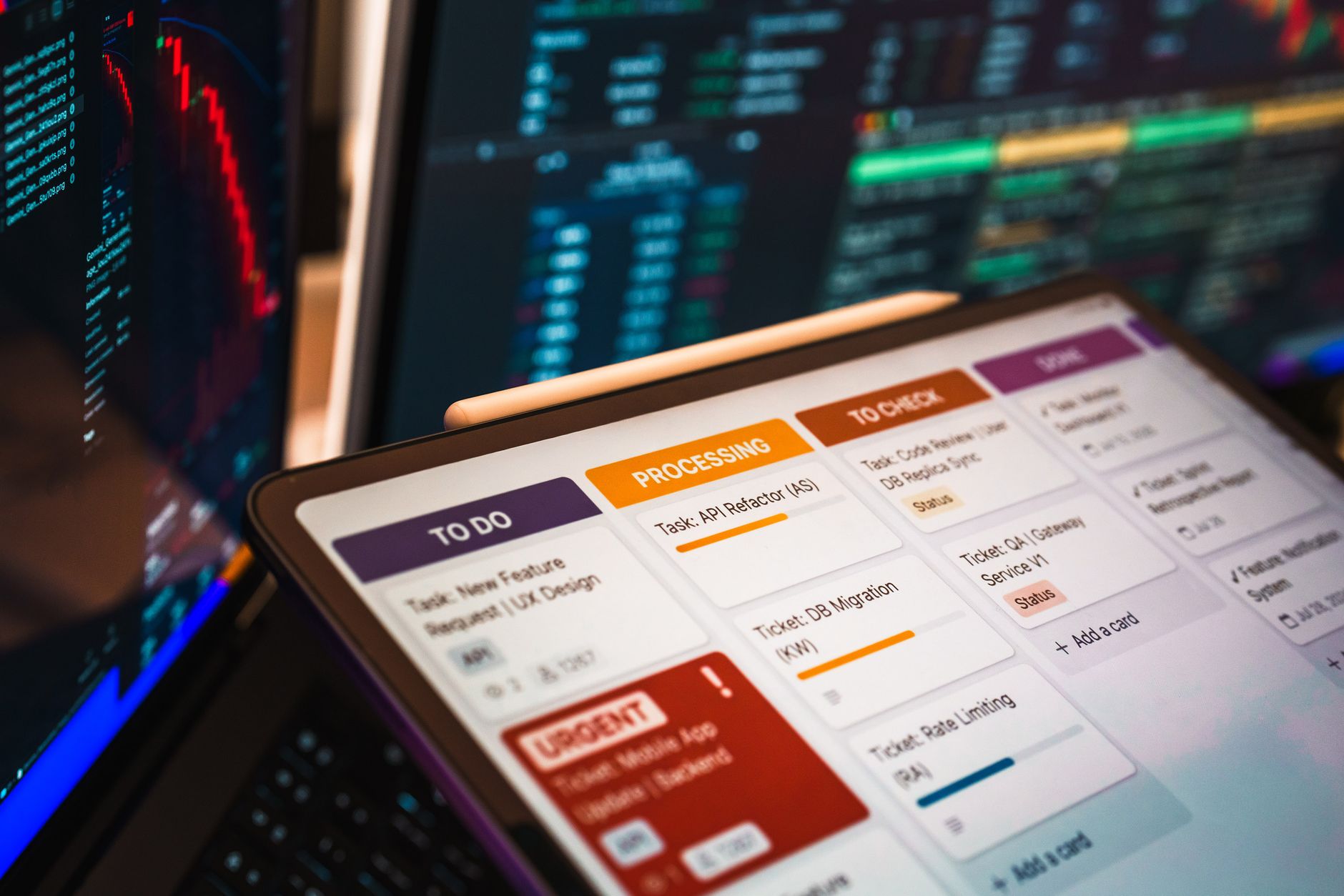
An AI workflow provides a structured approach to developing and implementing artificial intelligence solutions. It is defined as an automated process that follows a specific sequence of steps, where at least one of these steps incorporates a language model or another AI system. This systematic framework is considered the most practical method for many teams to integrate AI into production environments today.
While other frameworks for the AI lifecycle exist, some outlining seven or eight stages, a commonly identified breakdown simplifies the process into four distinct phases: Capture, Refine, Build, and Deploy. These stages guide projects from initial problem definition through to ongoing operation and improvement, emphasizing the iterative nature of AI development.
Understanding the Four Stages of an AI Workflow
AI projects are empirical and iterative, often likened to gardening rather than constructing a house. This means they involve continuous observation, adjustment, and iteration. The four stages provide a high-level roadmap for navigating this complex, dynamic process.
The economic impact of well-implemented AI workflows is substantial. McKinsey's 2026 analysis suggests AI-powered automation could contribute $2.6 to $4.4 trillion in annual economic value globally, with reported cost savings ranging from 26% to 31% in various sectors. Successfully realizing these benefits relies on a disciplined approach to the AI workflow.
Stage 1: Capture (Discovery / Problem Definition)
The initial stage of an AI workflow, known as Capture, focuses on laying the foundational understanding for the entire project. This phase involves clearly defining the specific problem that the AI solution aims to address and articulating the desired business outcomes.
Key project objectives and requirements are identified during Capture. Teams gather raw data and initial insights relevant to the problem, concurrently evaluating available datasets and pinpointing any potential data quality issues. Starting an AI initiative without clearly defining the problem or desired business outcomes is a common mistake that can undermine the entire project.
Stage 2: Refine (Data Processing / Data Preparation)
Following the Capture stage, Refine concentrates on preparing the gathered data to be usable for AI models. This critical phase involves cleaning, transforming, and structuring raw data into a suitable format.
A significant aspect of Refine is preparing both training and evaluation datasets. Evaluation data is crucial for benchmarking progress and ensuring the model learns effectively. This stage also addresses data privacy and compliance requirements. Underestimating the significant time and effort required for data collection, cleaning, and preparation is a common pitfall; this stage can often take more time than the actual model development.
Stage 3: Build (Model Development / Training / Validation)
The Build stage is where the core AI model is developed and optimized. During this phase, teams analyze patterns within the refined data and develop the decision logic or model architecture. Experimentation is key, involving different AI models and strategies.
Model strategy options include prompt-only solutions, Retrieval-Augmented Generation (RAG), fine-tuning existing foundation models, or developing custom models. Models are trained, tested, and iteratively evaluated to ensure they meet performance standards and achieve the desired outcomes. Developing a "thin-slice prototype" can quickly validate concepts and facilitate early learning. Failing to prepare robust evaluation datasets is a common mistake that hinders accurate measurement of model progress and success.
Stage 4: Deploy (Rollout / Operation / Monitoring)
The final stage, Deploy, involves integrating the developed AI system into the production environment where it can execute tasks and automate outputs. A controlled rollout strategy is often implemented to manage risks effectively.
Continuous monitoring of the AI model's performance is paramount in this stage. This includes detecting data drift, which occurs when the characteristics of the production data diverge from the data the model was trained on, potentially leading to performance degradation. Establishing feedback loops is essential to incorporate user input and new data for ongoing improvement and retraining. The EU AI Act has established fixed dates for continuous lifecycle monitoring, making it a legal requirement.
Furthermore, human checkpoints are essential for reliable AI workflows, particularly for high-stakes decisions. These checkpoints ensure human review and approval before final actions are taken, mitigating risks associated with autonomous AI operation. Neglecting continuous monitoring of deployed models or omitting human oversight for critical decisions are common mistakes that can lead to costly errors and performance degradation over time.
The Iterative Nature and Common Pitfalls
It is crucial to understand that the AI workflow is not a linear process. It is an iterative cycle where insights gained from later stages often feed back into earlier ones, prompting refinements and adjustments. Treating the AI workflow as a linear process rather than a continuous, iterative cycle is a common misconception.
Several other common mistakes can hinder the success of AI initiatives. These include starting without clearly defined problems, underestimating data preparation efforts, and failing to prepare robust evaluation datasets. Additionally, neglecting continuous monitoring of deployed models can lead to performance degradation due to data drift or changing user needs. Omitting human oversight or checkpoints for critical decisions can result in costly errors.
Another challenge is allowing "shadow AI," which refers to uncoordinated individual experimentation with AI tools, to introduce compliance and security risks. Adhering to a structured workflow and integrating human oversight helps mitigate these risks, ensuring AI solutions are both effective and responsible.
Frequently Asked Questions
What is the distinction between an AI workflow and an AI agent?
The provided research notes define an AI workflow as an automated process with a defined sequence of steps utilizing AI, but do not cover the distinction between an AI workflow and an AI agent.
Are developers always required to build AI workflows, or can non-technical users create them?
The research notes state that AI workflows are the most practical method for many teams to put AI into production today, but do not specify whether non-technical users can build them or if developers are always required.
How can the accuracy and reliability of AI workflows be consistently maintained over time?
Accuracy and reliability are maintained through continuous monitoring of the deployed model, detecting data drift, establishing feedback loops to incorporate user input and new data, and implementing human checkpoints for high-stakes decisions.
How does the AI lifecycle differ from traditional software development lifecycles?
The AI lifecycle is empirical and iterative, often compared to gardening rather than constructing a house, involving continuous observation and adjustment. It places a significant emphasis on data preparation, continuous model monitoring for performance degradation (like data drift), and ongoing retraining, which can differ from traditional software development's more linear phases.
What are the best tools and platforms for building and orchestrating AI workflows?
The provided research notes do not cover specific tools or platforms for building and orchestrating AI workflows.
Sources
Last updated: 2026-11-04
Photo: Jakub Zerdzicki / Pexels
Reader Responses (0)
No approved comments yet. Be the first to share your perspective!