
Renewable Energy Transition Plan: Global Status and Strategies
The global renewable energy transition is critical for climate goals. Understand its components, challenges, and strategies for governments, cities, and…
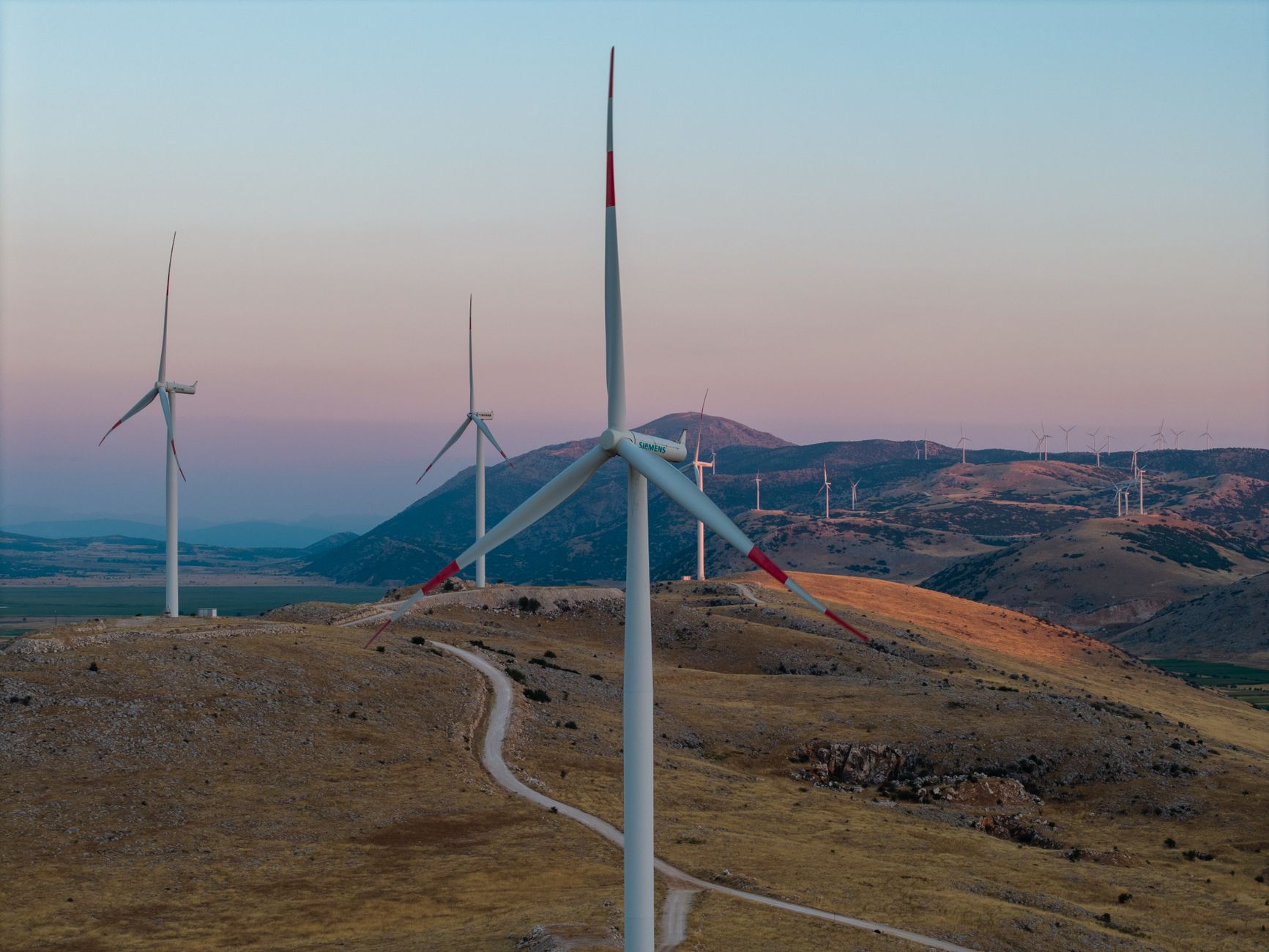
The global energy landscape is undergoing a profound transformation as nations, cities, and organizations increasingly commit to renewable energy transition plans. This shift involves moving away from traditional fossil fuels towards sustainable sources like solar and wind power. The urgency is underscored by record-breaking global temperatures and the need to align with critical climate targets.
Understanding the Renewable Energy Transition
A renewable energy transition plan outlines the strategic shift from fossil fuel-based energy systems to those powered predominantly by renewable sources. This comprehensive approach involves not just adopting clean energy technologies but also enhancing energy efficiency, developing advanced grid infrastructure, and ensuring robust storage solutions. The ultimate goal is to achieve energy security, affordability, and environmental sustainability.
The necessity of this transition is highlighted by environmental data. The global average annual temperature in 2024 was the warmest on record, exceeding the 1.5°C warming limit for the first time. This critical threshold underscores the imperative for rapid and decisive action to decarbonize energy systems.
Current Status and Future Projections
Significant milestones have already been achieved in the global shift towards renewables. In 2025, renewables surpassed coal as the world's largest source of electricity, with a remarkable 99% of new power generation coming from renewable sources. This growth trajectory is set to continue, as global renewable capacity is projected to increase by nearly 4,800 gigawatts (GW) between 2026 and 2031, representing a 57% rise compared to the preceding six years.
Technological advancements are bolstering this transition. The cost of battery storage systems for electricity grids has decreased by over 90% in the last fifteen years. Annual additions of these systems surged from approximately 2 GWh in 2015 to 307 GWh in 2025, demonstrating rapid scaling of crucial grid support.
Despite this progress, the pace of change remains insufficient to meet global climate targets. The world is currently projected to achieve carbon neutrality by 2064, which is too slow to align with the 1.5°C Scenario. To meet this ambitious target, electricity's share of global final energy consumption needs to increase from about 23% today to 35% by 2035 and over 50% by 2050. This requires roughly 18.4 terawatts (TW) of renewable power capacity by 2035 and 38.2 TW by 2050.
The financial commitment required is substantial, with cumulative investment and expenditure exceeding USD 256 trillion (around USD 10.3 trillion/year) needed between 2026 and 2050 for this energy transformation. Furthermore, the distribution of this investment is uneven; in 2024, only 2% of global clean energy investment was directed to Africa, highlighting a critical disparity.
Strategies for Governments and Cities
Governments and cities play a pivotal role in orchestrating a successful renewable energy transition. A foundational step is to develop an energy "roadmap" with clear goals and actions, which should be integrated with broader climate action plans. This process begins with assessing current and future energy needs to ensure a well-informed strategy.
To accelerate the transition, governments must submit bold Nationally Determined Contributions (NDCs) aligned with the 1.5°C target, aiming for net-zero emissions by 2050. This requires reforming domestic policies to streamline and accelerate renewable energy projects, reduce market risks, and incentivize investments. Modernizing and strengthening electrical grids is also critical to accommodate the variable nature of renewable sources.
Financially, governments need to mobilize finance for developing countries by reforming global financial structures. Introducing carbon pricing and other incentives can also fund renewable projects, creating a financial mechanism for sustained investment.
Strategies for Organizations
Organizations are crucial drivers of demand and innovation in the renewable energy sector. A primary strategy is to procure renewable energy through mechanisms such as Renewable Energy Certificates (RECs) or Power Purchase Agreements (PPAs). RECs represent the environmental attributes of renewable electricity generation, while PPAs are long-term contracts to purchase renewable energy directly from a developer.
Another approach is to invest in onsite renewable energy assets, such as installing solar panels on rooftops or deploying small wind turbines. Beyond direct generation, organizations should implement electrification strategies, converting non-electric processes to electric ones powered by renewables. This can include switching from fossil fuel-fired heating to electric heat pumps or transitioning fleet vehicles to electric vehicles (EVs). Electric vehicles accounted for 32% of new registrations in Q3 2026, up from 19% a year prior, indicating a strong trend towards electrification.
Furthermore, utilizing software for effective energy management is essential to integrate clean energy and boost overall efficiency. Major tech firms are encouraged to commit to 100% renewable power for their operations by 2030. For instance, Microsoft signed a five-year agreement with Brookfield Asset Management to double its renewable energy capacity by adding over 10.5 GW of solar, wind, and other renewable sources across its facilities in Europe and North America. This commitment also addresses the rapidly increasing electricity demand from digital technologies; data centers consumed approximately 400 TWh of electricity in 2025 (1.2% of global supply) and are projected to reach 5,700 TWh by 2060.
Challenges and Hurdles in the Transition
Despite significant progress, the renewable energy transition faces several substantial challenges. One key hurdle is technological immaturity and intermittency. Many renewable technologies are not yet fully integrated into societal systems at the scale of fossil fuels, and their variable nature (e.g., solar, wind) necessitates robust, complementary storage solutions and extensive grid modernization.
High initial costs and financial hurdles also present barriers. Renewable energy projects often require significant upfront investments, and securing adequate funding and financial incentives can be a major challenge, particularly for developing nations. This is compounded by an unequal investment distribution, where developing countries face structural barriers to accessing clean energy finance.
Inadequate infrastructure is another significant issue. Existing energy grids were not designed for the variable nature of renewables, leading to challenges in integration, transmission, and distribution. Coupled with this are policy and regulatory gaps, where a lack of clear, consistent policy support, streamlined permitting, and stable regulatory frameworks can impede rapid deployment.
Public and stakeholder resistance can also slow transitions. Distrust of innovative technologies, concerns over land use, and a general resistance to change from end-users and project managers can create friction. Moreover, urban planning limitations mean current urban infrastructure is often not optimized for maximizing renewable energy use, such as insufficient roof space for widespread solar panel installation.
A critical overarching challenge is the slow pace of transition. Despite advancements, the global energy transition is proceeding too slowly and unevenly to meet critical climate targets, with carbon neutrality projected for 2064 instead of the necessary 2050. Additionally, the proliferation of "false solutions" promoted by some fossil fuel industries, like Carbon Capture and Storage (CCS) without a rapid phase-out of fossil fuels, may divert resources from genuine renewable energy deployment.
The Path Forward
The critical challenge for the renewable energy transition is not just the adoption of clean energy, but the simultaneous acceleration and comprehensive integration of renewable power, energy efficiency measures, advanced grids, robust storage solutions, and system flexibility. This must occur while ensuring energy security, affordability, and broad public acceptance.
To meet the ambitious targets required, a concerted global effort is needed to overcome financial barriers, particularly for developing nations, and to accelerate policy reforms that enable faster deployment. Addressing the demand from growing sectors like data centers with purely renewable sources will also be a key test of the transition's success. The world must pivot from its current trajectory to significantly speed up the transition to net-zero emissions.
Frequently Asked Questions
How can innovative financing mechanisms be developed to support renewable energy in developing nations?
Governments need to mobilize finance for developing countries by reforming global financial structures. Introducing carbon pricing and incentives can also fund renewable projects.
What strategies are effective for modernizing electrical grids to integrate intermittent renewable sources?
Modernizing and strengthening electrical grids is critical to accommodate renewables. This addresses intermittency and challenges in integration, transmission, and distribution.
How can the increasing electricity demand from data centers and AI be met by clean energy?
Organizations, especially major tech firms, are encouraged to commit to 100% renewable power for their operations by 2030. This can be achieved through procuring renewable energy certificates (RECs) or power purchase agreements (PPAs), investing in onsite assets, and utilizing energy management software.
Sources
Last updated: 2026-11-09
Photo: Adem Albayrak / Pexels
Reader Responses (0)
No approved comments yet. Be the first to share your perspective!