
Sustainable Energy Saving Strategies for Homes and Businesses
Discover actionable strategies to reduce energy consumption, lower utility costs, and minimize environmental impact through both behavioral changes and…
Adopting sustainable energy saving strategies is a crucial step towards reducing both utility expenses and environmental impact. This approach involves a combination of conscious behavioral changes and strategic technological upgrades. By integrating these methods, individuals and organizations can achieve significant long-term financial and ecological benefits.
Understanding Energy Consumption and Its Impact
Global energy consumption is substantial, with significant portions attributed to various sectors. In 2020, industry accounted for 30.01% of global energy use, transport for 26.18%, and residential sectors for 22.08%. These figures highlight the widespread demand for energy and the potential for savings across different areas of daily life.
Heating and cooling systems alone typically account for about half of a home's total energy use. This statistic underscores the importance of optimizing these systems and related practices to achieve meaningful reductions in overall energy consumption. Implementing sustainable strategies can lead to a reduction in total energy consumption by 10-40%, particularly through the use of renewable sources, passive design, and intelligent monitoring systems.
Behavioral Shifts for Immediate Energy Savings
Many effective energy-saving strategies require minimal or no financial investment, focusing instead on daily habits. These behavioral adjustments can yield immediate benefits, contributing significantly to lower utility bills and a reduced environmental footprint.
Optimizing Lighting Use
One of the simplest yet most impactful changes involves lighting. Replacing traditional incandescent bulbs with energy-efficient LED bulbs can reduce energy use by up to 80%, while also lasting significantly longer. Beyond bulb choice, conscious habits are key.
Always turn off lights when leaving a room, even for short periods. Maximize natural light during the day by opening curtains and blinds, reducing the need for artificial illumination. For outdoor areas or infrequently used indoor spaces, consider installing motion sensors or timers to ensure lights are only on when needed.
Smart Appliance and Electronics Use
Appliances and electronics contribute to energy consumption even when not actively in use through what are known as phantom loads. These phantom loads can account for up to 10% of an energy bill. To combat this, unplug devices or use power strips that can be switched off to completely cut power when electronics are not in use.
When purchasing new appliances, prioritize ENERGY STAR certified models, which are designed for superior energy efficiency. For daily use, run dishwashers and washing machines only when they are full. Opt for cold water settings for laundry whenever possible, as heating water consumes considerable energy. Air drying clothes instead of using an electric dryer further reduces energy use.
Mindful Water Consumption
Water heating is another significant energy consumer in homes. A simple adjustment is to lower your water heater thermostat to 120°F (49°C), which is generally sufficient for household needs and reduces energy consumption. Further savings can be achieved by taking shorter showers instead of baths and installing low-flow showerheads and faucets.
Additionally, insulating hot water tanks and pipes can minimize heat loss, ensuring that the energy used to heat water is retained more effectively until it is used. These collective actions contribute to both water and energy conservation.
Sustainable Transportation Choices
Transportation accounts for a substantial portion of global energy consumption. For personal travel, consider active transportation methods such as walking or biking for short distances. Utilizing public transit and carpooling for commuting can significantly reduce individual fuel consumption and carbon emissions.
When driving, practice fuel-efficient techniques such as avoiding sudden acceleration and braking. Maintaining proper tire inflation is also crucial, as under-inflated tires can increase fuel consumption. Electric vehicles (EVs) offer a significant reduction in cost-per-kilometer, up to 75%, and have the lowest energy loss at 33%, making them a highly sustainable option for vehicle ownership.
Technological Upgrades for Long-Term Savings
While behavioral changes offer immediate impact, strategic technological investments can provide profound, long-term energy savings. These upgrades often target major energy consumers in homes and businesses.
Advanced Heating and Cooling Systems
Given that heating and cooling comprise about half of a home's energy use, optimizing these systems is paramount. Installing smart or programmable thermostats allows for precise temperature control, enabling users to set temperatures like 68°F (20°C) in cooler months and 75-78°F (24-26°C) in warmer months. Adjusting a thermostat 7-10 degrees Fahrenheit higher when away from home for more than 8 hours can save approximately 10% on annual energy bills. Even lowering a thermostat by just 1°C can save around 7% of heating energy, potentially cutting an average bill by EUR 50-70 per year.
Regular maintenance of HVAC systems is critical; a clogged HVAC filter can cause the system to use 15% more energy. This maintenance includes cleaning filters, coils, and ductwork. Furthermore, sealing air leaks around windows and doors and enhancing home insulation can dramatically reduce the workload on heating and cooling systems, preventing conditioned air from escaping.
Harnessing Smart Technology
Beyond smart thermostats, integrating intelligent energy monitoring systems can provide real-time data on energy consumption, empowering users to identify and address inefficiencies promptly. These systems often work in conjunction with smart grid analytics to optimize energy use across various appliances and systems.
For example, smart plugs can control phantom loads remotely, while smart lighting systems can adjust brightness based on natural light availability. Staying updated with technological advancements, such as AI-optimized energy management platforms, can further enhance efficiency and savings.
Embracing Renewable Energy
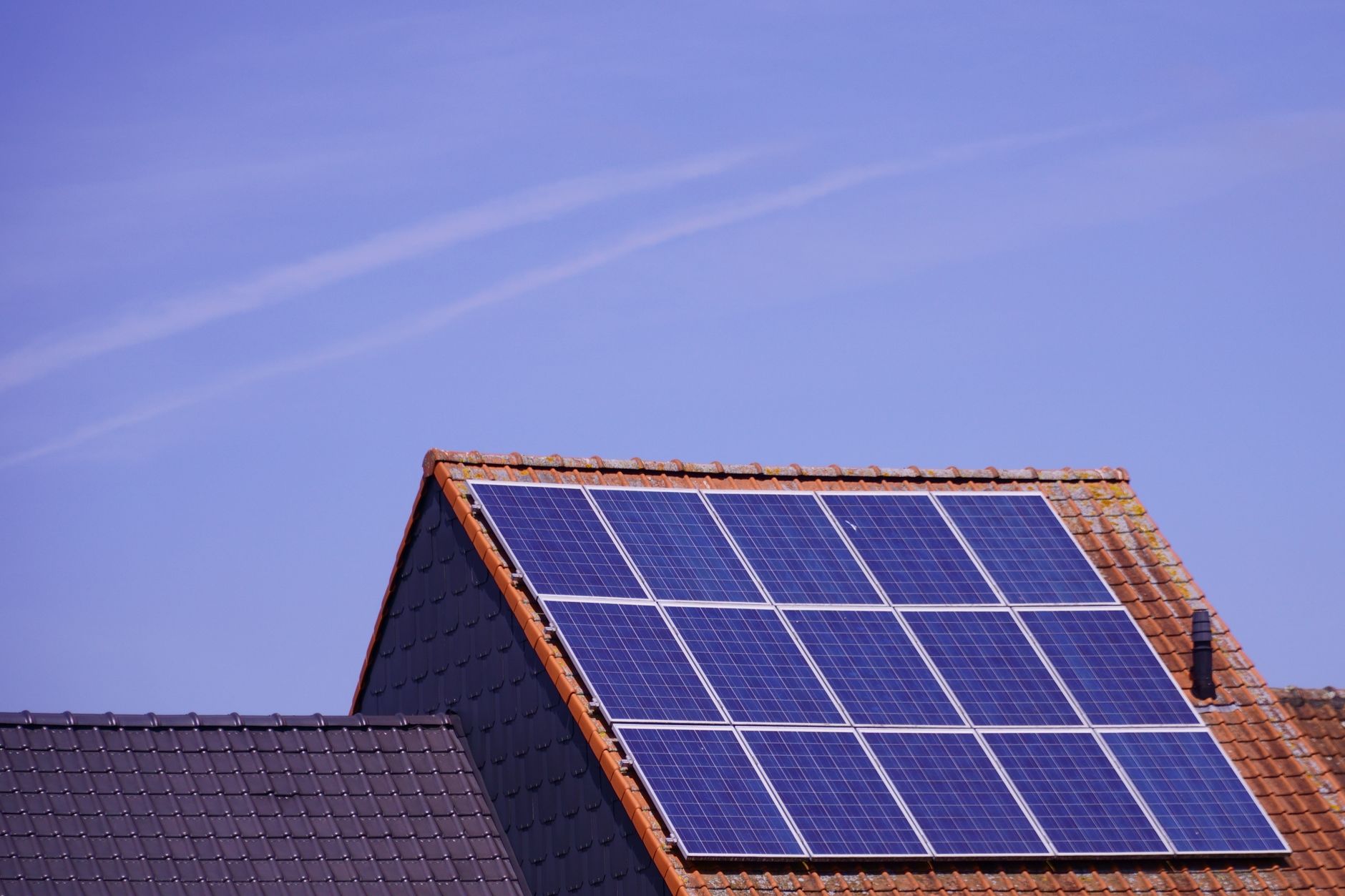
Integrating renewable energy sources, such as solar panels, where feasible, can significantly reduce reliance on grid electricity and fossil fuels. While requiring an initial investment, these systems offer long-term energy independence and environmental benefits. Energy consumption can be reduced by 10-40% through the use of renewable energy sources, showcasing their potential.
Geothermal systems represent another powerful renewable option, capable of reducing natural gas and electricity heating energy consumption by 27%. These systems utilize the stable temperature of the earth to provide efficient heating and cooling, offering substantial savings over conventional systems.
The Holistic Approach: Audits and Maintenance
The most effective sustainable energy saving is achieved through a continuous, multifaceted process rather than a one-time fix. This begins with a comprehensive energy audit to identify specific inefficiencies in a home or business. An audit provides a roadmap for where to focus efforts and investments for maximum impact.
Regular maintenance of all energy systems, particularly HVAC, is non-negotiable for sustained efficiency. Neglecting maintenance can lead to increased energy consumption and premature system failure. Furthermore, continually monitoring energy usage, ideally with real-time data rather than just periodic reports, allows for proactive adjustments and ensures that energy-saving initiatives remain effective over time.
Avoiding Common Pitfalls
While the path to sustainable energy saving is clear, certain mistakes can hinder progress and diminish results. Awareness of these common pitfalls can help ensure efforts are well-directed and effective.
- Failing to conduct a comprehensive energy audit: Without an initial audit, efforts might be misdirected, focusing on areas with less impact while significant inefficiencies remain unaddressed.
- Overlooking simple, low-cost or no-cost opportunities: Many immediate savings come from behavioral changes or minor adjustments that require little to no investment.
- Neglecting regular maintenance of energy systems: Systems like HVAC require consistent upkeep. A clogged HVAC filter, for instance, can increase energy use by 15%.
- Not staying updated with technological advancements: The energy efficiency landscape is constantly evolving with innovations like smart thermostats and AI-optimized platforms.
- Assuming all energy-saving systems will cut every utility bill in the same way: Results vary based on factors like home age, insulation levels, and individual usage patterns.
- Believing that more features always equate to better performance: Sometimes, simpler systems are a better match for actual needs and can be more effective.
- Skimping on home insulation by choosing inferior materials: Proper insulation is a critical component of energy efficiency, directly impacting heating and cooling loads.
- Failing to turn off lights and computers or unplug chargers when not in use: These small actions are fundamental to eliminating phantom loads and reducing daily consumption.
- Not taking advantage of natural light during the day: Maximizing daylight reduces the need for artificial lighting, saving energy and improving indoor ambiance.
A Continuous Journey Towards Efficiency
Sustainable energy saving strategies are most effective when approached as an ongoing process of improvement and adaptation. By integrating conscious behavioral changes with strategic technological upgrades, individuals and organizations can significantly reduce their energy consumption, lower utility costs, and minimize their environmental footprint. This holistic approach not only benefits personal finances but also contributes to broader ecological well-being, paving the way for a more sustainable future.
Frequently Asked Questions
How much energy can LED bulbs save compared to incandescent ones?
LED bulbs can use up to 80% less energy and last significantly longer than incandescent bulbs.
What is a "phantom load" and how can it be reduced?
A phantom load is energy consumed by electronics when turned off but still plugged in; it can be reduced by unplugging devices or using power strips when not in use.
What is a simple thermostat adjustment for energy savings when away from home?
Setting a thermostat 7-10 degrees Fahrenheit higher when away from home for more than 8 hours can save approximately 10% on annual energy bills.
Sources
Last updated: 2026-11-12
Photo: Budget Bizar / Pexels
Reader Responses (0)
No approved comments yet. Be the first to share your perspective!